
The Landmark Collection Traces a Century of Indian Short Fiction, from Tagore to Contemporary Voices, Offering a Diverse and Unmatched Literary Feast.
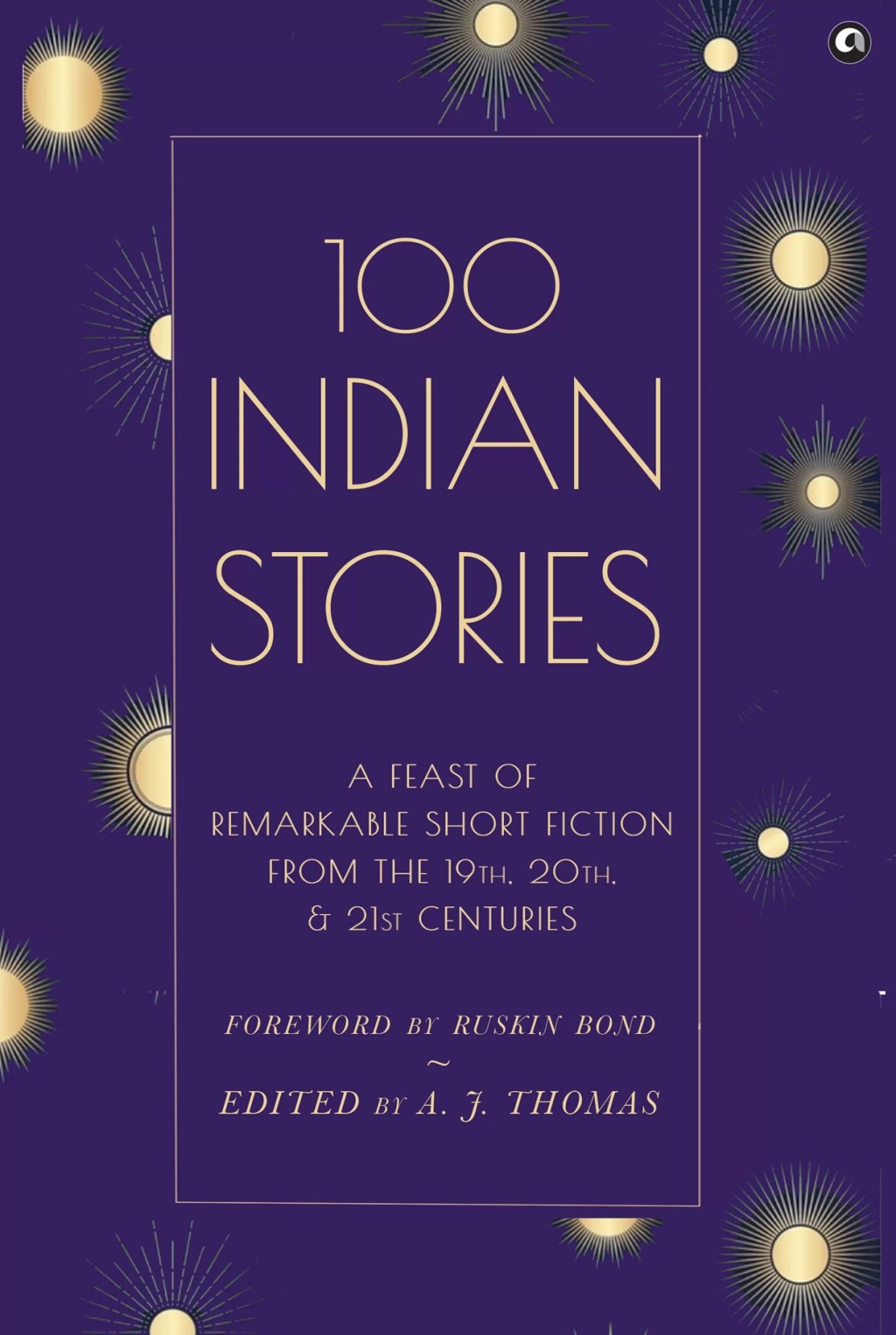
In a momentous achievement for Indian literature, 100 Indian Stories, published by Aleph Book Company hailed as the largest and most ambitious collection of Indian short fiction ever compiled, has been released to readers worldwide. This monumental anthology, published in a single volume, brings together 100 of the finest short stories written by Indian authors over the course of more than a century. The collection promises to be a definitive guide to the evolution of short fiction in India, showcasing a stunning array of voices, languages, and literary traditions.
As per Aleph Book Company 100 Indian Stories is the biggest and most ambitious collection of Indian short fiction ever published between the covers of a single volume. The short story in India is over 100 years old and this monumental anthology brings together 100 of the finest stories written by the country’s writers, starting with the late nineteenth century—when literary giants like Rabindranath Tagore and Fakir Mohan Senapati first made their mark. It then goes on to include some of the best fiction of the twentieth century before ending with work by stars of the twenty-first century. Importantly, the book sources stories from every major Indian language, region, generation, and literary tradition, giving readers a banquet of literature that is exceptional and utterly memorable.
Importance of Indian Short Stories
Indian short stories are a significant and dynamic form of literary expression in India, offering unique insights into the country’s diverse cultures, traditions, and social issues. With a history spanning over a century, the short story genre has played an essential role in shaping India’s literary landscape. From the early pioneers like Rabindranath Tagore to modern-day authors, Indian short stories reflect the complexities of a society that is rich in diversity and constantly evolving.
Indian short stories often serve as a mirror to the country’s diverse social realities. With its multitude of languages, religions, regions, and cultures, India presents a complex tapestry that is rich with stories of human struggles, aspirations, and triumphs. Short stories are uniquely positioned to explore these issues on a smaller, more intimate scale, yet still address larger societal concerns. Themes such as caste discrimination, gender inequality, poverty, communalism, and the tensions between tradition and modernity are often explored in depth.
The short story genre is a key vehicle for preserving and transmitting India’s rich cultural heritage. Many stories are rooted in local traditions, folklore, and myths that are passed down through generations. In addition, short stories written in various regional languages highlight the linguistic diversity of the country, allowing for a broader understanding of India’s many cultural landscapes. These stories act as both a cultural artifact and a living testament to India’s evolving identity.
Exploration of Identity and Human Emotions
Indian short stories delve deeply into the psychology of individuals, often exploring themes of identity, belonging, love, alienation, and personal conflict. The genre is particularly adept at capturing the complexities of human relationships—whether it’s the bonds between family members, the nuances of friendship, or the struggles of individuals against the backdrop of society. Writers explore how India’s vast social and cultural diversity influences personal identity, and how individuals navigate their own experiences in a rapidly changing world.
Social Commentary and Critique
Many Indian short stories serve as powerful vehicles for social critique, providing insightful commentary on the challenges faced by society. Writers often use their stories to highlight issues of injustice, inequality, and oppression, while challenging societal norms and calling for change. Manto’s stark portrayals of partition violence and human suffering, or Chughtai’s exploration of gender roles and women’s rights, exemplify how short fiction can engage with contemporary issues and provoke readers to reflect on their own beliefs and actions.
About the Author
A. J. Thomas is a poet, editor, and translator who writes in English. He has more than twenty books to his credit and is the former editor of Indian Literature, the Sahitya Akademi’s bi-monthly journal. Thomas has taught English at Benghazi University, Libya, and worked as a Senior Consultant at IGNOU. He is a recipient of the Katha Award, AKMG Prize, and the Vodafone Crossword Award for Translation. Thomas holds a Senior Fellowship, Government of India, and was an Honorary Fellow, Department of Culture, Government of South Korea.



 Bookshotsapp
Leave a comment