
Saurabh Shankar । Amol Palekar’s memoir, Viewfinder, is more than just an autobiography—it’s a journey through the multifaceted life of an actor, director, and artist. From the very first page, the title captures the imagination, hinting at something deeper. What exactly is “viewfinder”? Turns out, it’s a device in a camera that helps you frame the perfect shot—a fitting metaphor for Palekar’s career. His title also honors his mentor, the iconic Hrishikesh Mukherjee, who passed down his personal viewfinder to Palekar, symbolizing how the framing of one’s life and art is passed down through generations.

Viewfinder, both a literal tool and a poetic symbol, reflects how Palekar has navigated his career, carefully choosing what to reveal and what to keep hidden. The memoir offers a glimpse into his personal and professional world, but always through the lens of vulnerability and honesty. It’s a raw, confessional kind of writing—one that makes you feel like you’re entering the inner sanctum of an artist’s mind.
Opening with a candid admission, Palekar compares the act of writing about his life to holding an ever-expanding sack, growing like “yeasted dough”—unpredictable and out of control. It’s a refreshing metaphor for someone who’s unwilling to sugarcoat his journey. He doesn’t just give you his story; he makes you feel the weight of his creative struggles, the triumphs, and the moments that make an artist’s life so exhilarating—and at times, bewildering.
From Painter to Stage and Screen: A Life in Transition
What strikes you most about Viewfinder is how Palekar wore so many artistic hats, juggling his passions and evolving into the artist we know today. His journey began as a painter, having studied at the prestigious Sir J.J. School of Arts in Mumbai. But his true calling took shape on the stage, under the mentorship of Satyadev Dubey, a pioneer in India’s avant-garde theatre movement. Through plays like Hayavadana (1972), where he played the character of Devdutta, Palekar’s talent for transformative performance became clear.

These early theatre experiences in the late 1960s and early 1970s made Palekar a celebrated figure in India’s experimental theatre scene. His directorial debut came soon after, and with his theatre group Aniket, he revolutionized the way theatre could be experienced, performing outside traditional auditoriums—in gardens, canteens, and even on rooftops. His work was, and still is, a reminder that art can be boundary-pushing, innovative, and most importantly, accessible.
But it wasn’t just on stage where Palekar left his mark. In films, he became a symbol of the “middle-of-the-road” cinema of the 1970s—neither too commercial nor too niche, but striking a perfect balance for the audience of that era. His acting career spanned three decades, and even as he stepped into directing, his performances in films like Katha (1983) and Chhoti Si Baat (1976) left an indelible impression.
A Director’s Eye: Crafting Sensitive, Thought-Provoking Cinema
As a director, Amol Palekar was known for bringing a quiet sensitivity to his films. His debut directorial venture, Akriet (1980), marked the beginning of his work behind the camera. From there, he went on to create films that spoke volumes about relationships, gender, and society—often through the lens of progressive Indian literature. His sensitive portrayal of women’s lives, and his ability to translate complex emotional narratives to the screen, became his hallmark.
Palekar’s directing style was as much about the atmosphere he created as it was about the story. With films like Paathlaghan (1997) and Thodasa Roomani Ho Jaaye (2008), he combined cinematic beauty with social consciousness, making films that were both entertaining and deeply insightful. But it was his understanding of the human condition that made him one of the most revered directors of his generation.
Through Viewfinder, he takes us behind the scenes of his directorial journey, offering stories of collaborations, struggles, and triumphs with celebrated filmmakers like Hrishikesh Mukherjee, Shyam Benegal, and Bimal Roy. It’s a testament to the magic that happens when creative minds collide, and a beautiful ode to the world of alternative cinema that flourished during the late 20th century.
Overcoming Obstacles, Crafting a Legacy
What makes Viewfinder truly compelling is Palekar’s honesty about the obstacles he faced—whether in commercial cinema or the evolving world of experimental theatre. He writes with such clarity about the tough times, the failures, and the moments of self-doubt that you can’t help but admire his resilience. His memoir reads like a roadmap for anyone who’s ever faced adversity in their creative pursuits, showing that perseverance, coupled with unwavering belief in one’s craft, can lead to success.
In his recounting, Palekar doesn’t just narrate his personal journey; he also chronicles the evolution of Indian cinema and theatre during the 1970s and 1980s. Through his eyes, we see the rise of parallel cinema—an era of films that defied mainstream conventions, dealing with real-world issues and social change. Palekar’s own role in this movement, both as an actor and director, is inseparable from the broader transformation that Indian cinema was undergoing.
Bridging the Past with the Future
In a truly forward-thinking gesture, Palekar incorporates QR codes in The Viewfinder, linking to his films and other works. In doing so, he bridges the gap between the past and the present, using digital tools to keep his art alive and accessible to younger generations. It’s a beautiful blend of tradition and innovation, much like the man himself, who has always believed in pushing the boundaries of what art can be.
For those looking for a deeper understanding of the evolution of Indian cinema and theatre, Viewfinder is an essential read. But even if you’re not a cinephile or theatre enthusiast, the emotional honesty and narrative richness of Palekar’s journey are what make this memoir so universally compelling. It’s a book about creation—about the process of being, of experimenting, and ultimately finding your place in the ever-changing world of art.
Final Thoughts
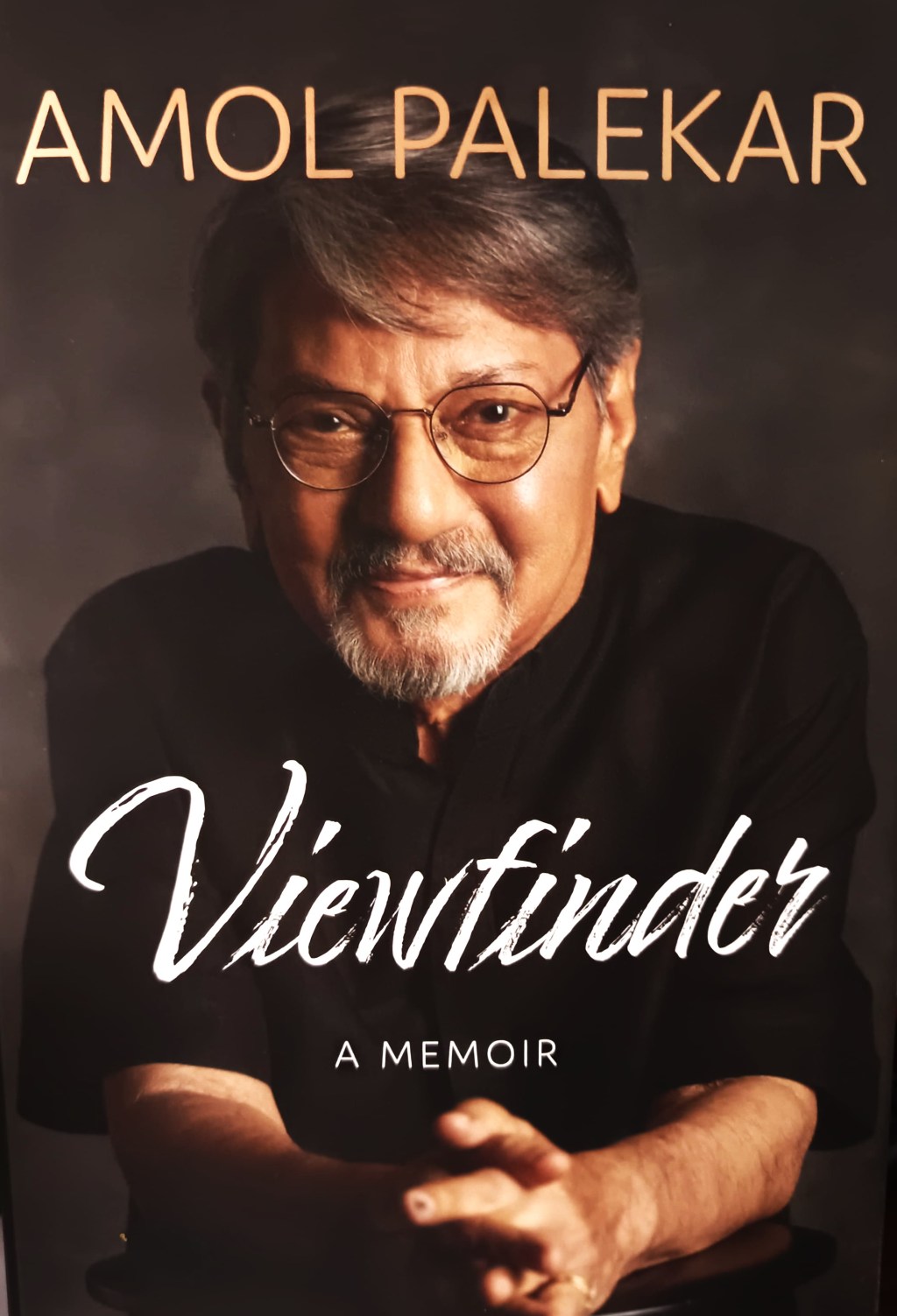
Viewfinder is more than just a story about an actor or director—it’s the story of a life lived through art. Amol Palekar’s reflections are not only about his career, but also about the cultural shifts that shaped Indian cinema and theatre. His vulnerability, warmth, and storytelling prowess make this memoir a fascinating read for anyone who has ever been inspired by the transformative power of art.
This is a book that doesn’t just chronicle a life—it offers a window into the heart of an artist who has shaped and been shaped by the worlds he’s inhabited. And in that view, you’ll find much more than just an autobiography; you’ll find a legacy.



 Bookshotsapp
Leave a comment