
A fierce, intimate odyssey through identity, dislocation, and the quiet rebellion of not fitting in.
A Voice that Cuts Through the Noise
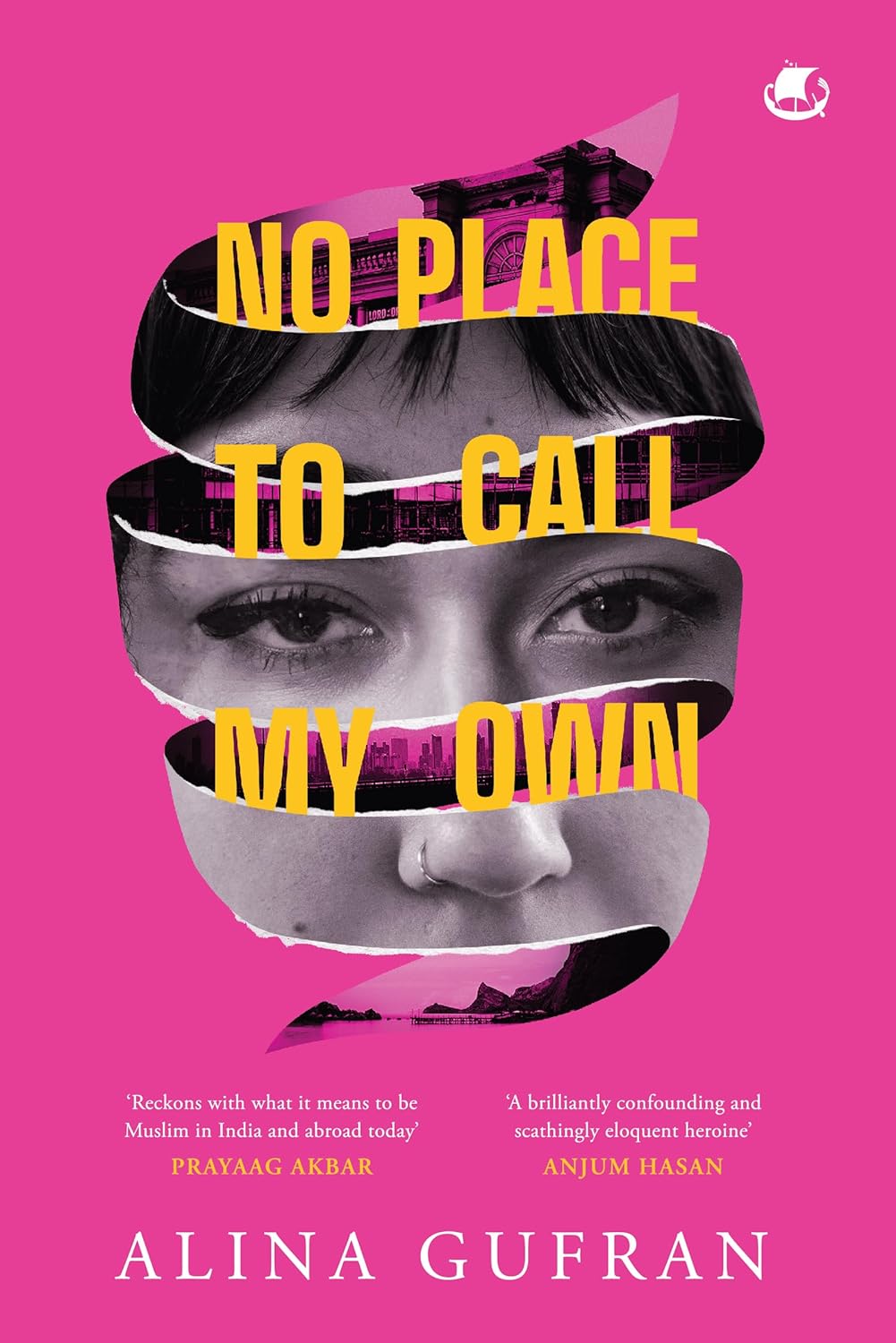
In her searing debut novel, No Place to Call My Own, writer and filmmaker Alina Gufran introduces us to Sophia—a sharp-witted, emotionally raw millennial woman navigating a world that insists on defining her before she can define herself. Gufran’s prose hums with bruised lyricism and unflinching clarity, grounding Sophia’s internal turbulence in a voice that feels at once intimate and incisive.
A Restless Geography of Self
Set against the backdrop of early 21st-century India and stretching across continents—from Delhi to Beirut, Prague to Spiti—the novel maps a terrain of displacement. The cities aren’t just locations; they’re reflections of Sophia’s fragmented inner world. Whether it’s the electric dissonance of Bombay or the haunting quiet of Marine Drive, every place pulses with emotional resonance.
Between Upheaval and Intimacy
Sophia’s journey is deeply entangled with the volatile socio-political landscape of modern India—marked by the #MeToo movement, the 2020 Delhi riots, and a global pandemic. But it’s also shaped by the personal wreckage of family disintegration and emotional drift. Through all this, she forms a raw, complex bond with Medha, a queer artist whose life mirrors her own in questions, rage, and resistance.
A Generation in Revolt
These aren’t just coming-of-age woes; they’re survival tactics in a world where apathy is armor and identity is always under siege. Gufran captures the restless pulse of a generation that’s tired of binaries and easy labels, portraying a young woman trying to claim space—physically, emotionally, politically—in a world that keeps squeezing her out.
Art, Anguish, and the Search for Belonging
At its core, No Place to Call My Own is a meditation on the ache of in-betweenness: between cultures, between selves, between belonging and escape. The novel also plunges into the chaotic shallows of creative worlds—flirting with performance, film, and literature—while dissecting the postures and the preening often found in those spaces. It’s a raucous exploration of what it means to create, to protest, and to exist as a Muslim woman, both in India and abroad.
A Balm and a Battle Cry
Gufran’s debut doesn’t ask for sympathy—it demands understanding. No Place to Call My Own is for every young woman who has ever felt misread, misplaced, or misbelonging. It is both a balm and a battle cry—an invitation to sit with discomfort, to question easy narratives, and to find beauty in the fracture.
About the author
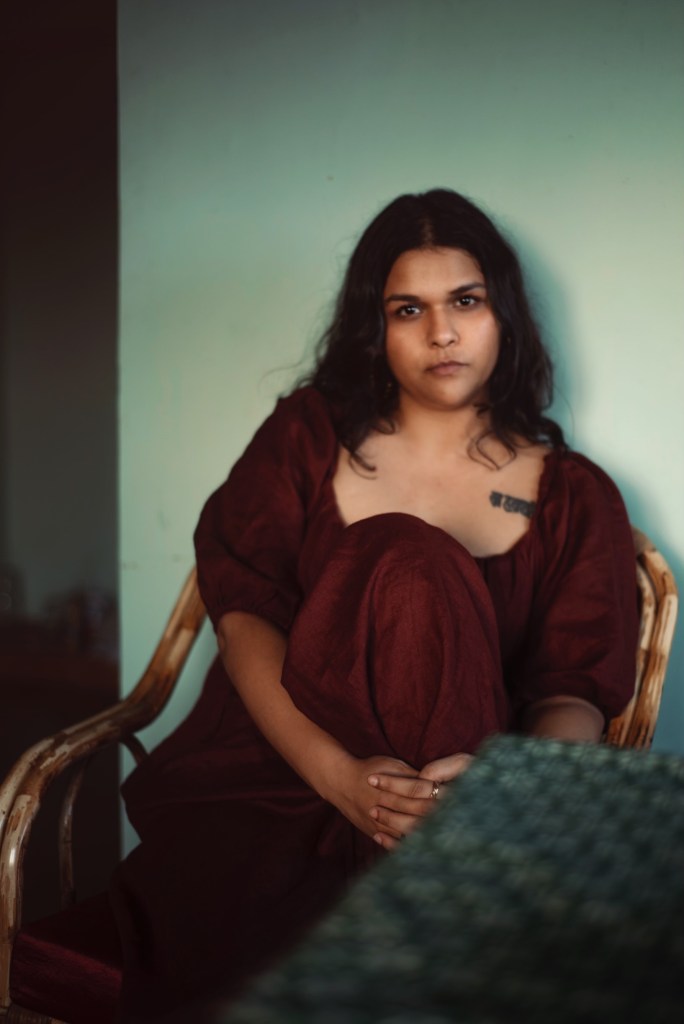
Alina Gufran is a writer and filmmaker whose fiction found its form during her time in India, Europe and the Gulf. No Place to Call My Own is her debut novel.
Praise for the book
PRAYAAG AKBAR-– A raucous exploration of the innate longing to create, moving fast through the shallows of various creative worlds, showing the postures and the preening, even as it reckons with what it means to be Muslim and a woman in India and abroad today.
ANJUM HASAN-– Alina Gufran has created a brilliantly confounding and scathingly eloquent heroine. She is both Dostoyevskian in the extent of her apathy, self-loathing and soul-annihilating, as well as utterly recognisable and just like us. As Sophia wrestles with the spirit of the age, she shows us exactly how we squander our freedoms and live our doubts in a way few Indian novels are able to pull off.
OMAIR AHMAD-– Fluidly written, and unsparing. No Place to Call My Own is an intimate journey of a young woman with many identities-religious, personal and professional-all of them being torn out from the roots in the churn of present-day India. At its most captivating in describing the friendship between Sophia and Medha, full of the passionate resentment that only deep acceptance can allow, the novel suggests that the only home we can hope to have is in each other’s hearts.


 Bookshotsapp
Leave a comment