
On the evening of 5th September 2017, Gauri Lankesh, a brave and outspoken journalist, was gunned down outside her home in Bangalore, Karnataka. The news of her assassination reverberated across India, sending shockwaves of grief and disbelief. For many, Gauri’s death was more than the tragic loss of one individual; it was the silencing of a powerful voice in the fight for truth and justice in a country that was slowly being torn apart by growing political extremism.
Her death raised difficult, urgent questions: who killed Gauri, and why? Was it because of her outspoken criticism of corruption, her unwavering stance against the rise of Hindu nationalism, or her fearless advocacy for the marginalized? Was she a victim of a targeted political assassination? Or was her death part of a larger, darker effort to stifle dissent?
In I Am on the Hit List, journalist Rollo Romig embarks on a painstaking investigation into Gauri’s death. What emerges from his research is not just a story about one murder, but a tale about the dangerous intersection of politics, ideology, and violence. Romig traces the political currents and ideological divisions in India, offering a complex and heartbreaking look at how far the country has drifted from its democratic ideals—and how fragile democracy itself has become.
The Woman Behind the Story: Gauri Lankesh’s Courage and Vulnerability
Gauri Lankesh was no stranger to controversy. Raised in a family of journalists, she was driven by a passion for truth and justice. For years, through her publication, Gauri Lankesh Patrike, she took on powerful figures and organizations that sought to silence criticism, exposing the corruption and intolerance festering at the heart of Indian society. She fearlessly tackled sensitive topics, from caste discrimination to the growing influence of Hindu extremism. Her work was unflinching, her voice unapologetic. In a media landscape dominated by silence or complicity, Gauri’s voice was a powerful beacon for those who believed in a just and secular India.
But for all her strength, Gauri was not immune to the dangers that came with her activism. She faced numerous legal battles and was regularly targeted with personal threats. She had been named in a so-called “hit list” by right-wing extremists who saw her as an enemy. While she continued to challenge the status quo, the threats against her became all too real.
Despite taking precautions, including installing security cameras at her home, the danger was always present. That night in September 2017, as she drove home from work, she was followed by two men on a motorcycle. They shot her in cold blood outside her home, killing her instantly. Gauri was just 55 years old. Her death was the tragic culmination of years of struggle against the forces that sought to intimidate and silence voices like hers.
The Investigation: A Web of Extremism and Political Violence
Romig’s investigation into Gauri’s death takes readers on a journey through the shifting political and cultural landscape of Bangalore, a city once known for its intellectual vibrancy but now marked by growing social and ideological divides. Romig traces the shifting dynamics of the city, from its once laid-back charm to the gleaming high-rises and corporate offices that dominate its skyline today. The rapid urbanization and the influx of tech wealth have brought with them a new class, new ideologies, and new tensions. And it is in this landscape, where old divisions clash with the new, that Gauri’s work stood out.
The more Romig digs into the details of Gauri’s assassination, the clearer it becomes that her murder was part of a larger pattern. Journalists, intellectuals, and activists who dare to challenge the rising tide of religious extremism and authoritarianism are increasingly targeted. Gauri was a prominent figure in this fight, and her outspoken activism put her squarely in the crosshairs of powerful political and religious forces.
Romig paints a chilling picture of the forces that may have been behind Gauri’s death. He delves into the world of right-wing political extremists, secretive religious groups, and organized crime syndicates that operate in the shadows. The connections between these groups, he argues, are not coincidental. Gauri’s death was not an isolated incident; it was part of a broader, troubling trend in India, where those who speak out against the powers that be are increasingly at risk.
The Rise of Extremism: The Struggle for the Soul of India
At the heart of Romig’s book is a larger examination of the political and social forces that are reshaping India. He looks at the rise of religious extremism and the increasing polarization of Indian society, drawing unsettling parallels between the current state of affairs and the political violence that has marked India’s history. Romig explores how the country’s democracy is being eroded by a combination of authoritarian politics and growing intolerance, creating an environment in which dissent is no longer tolerated.
Through Gauri’s life and death, Romig highlights the fragility of democratic institutions. Her murder is a stark reminder of the risks faced by those who challenge power, speak truth to authority, and fight for justice. Gauri’s courage was undeniable, but so too was her vulnerability. In a country where democracy is being undermined, even the most fearless voices are not immune to the forces of violence and repression.

Romig also draws attention to the cultural and ideological divides that have come to define modern India. Gauri, a journalist committed to secularism and social justice, stood in stark contrast to the forces of religious nationalism that have gained prominence in recent years. Her assassination is not just the death of one woman but the silencing of a voice that represented a vision of India that is increasingly under threat.
The Legacy of Gauri Lankesh: A Call to Action
In the end, I Am on the Hit List is more than just an investigation into the tragic murder of a journalist; it is a meditation on the fragility of democracy and the cost of speaking truth to power. Gauri Lankesh’s life and death serve as a reminder that democracy is not guaranteed—it requires constant vigilance, courage, and action. The forces of intolerance, hate, and violence may try to silence those who stand up for justice, but as Gauri’s legacy shows, the fight for democracy is never over.
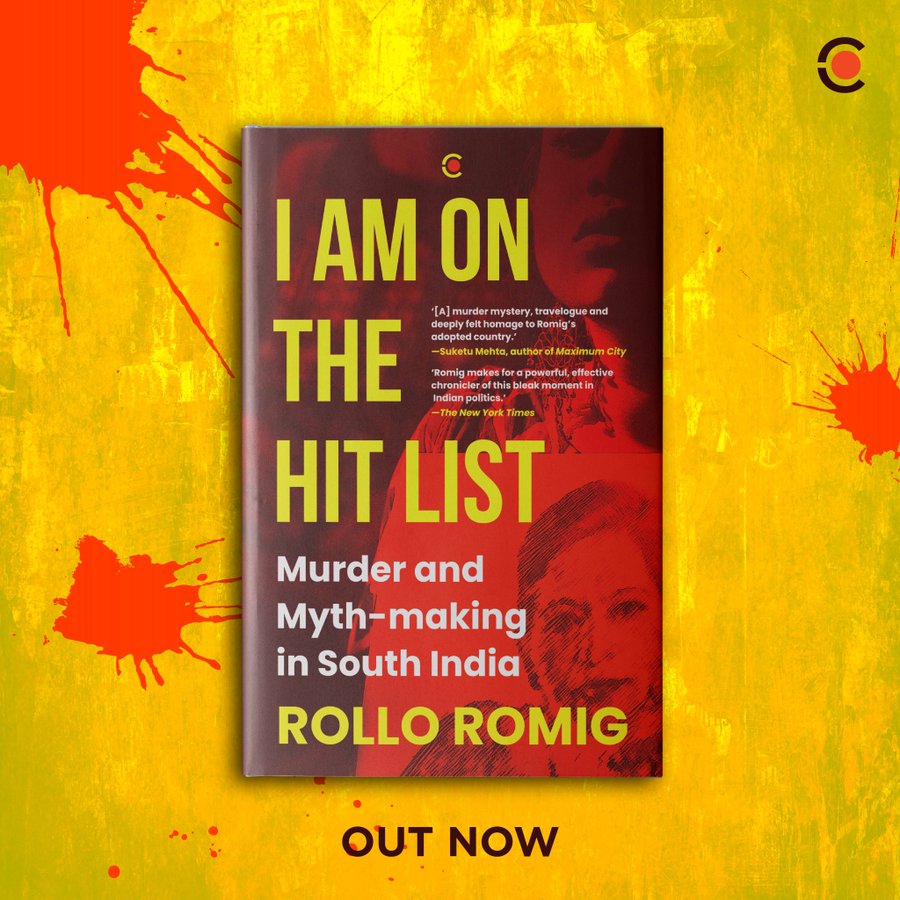
Gauri’s death, though tragic, sparked a movement. Her memory continues to inspire those who fight for a just and equal society. Her legacy is one of courage, resilience, and a deep commitment to truth. Romig’s book serves as both a tribute to her life and a warning about the dangers of a world where such voices are silenced. It is a reminder that the work Gauri began—of speaking truth to power and fighting for a better India—is far from finished.
Through this haunting and poignant investigation, Romig ensures that Gauri’s voice is not forgotten. It lives on in the countless others who continue to speak out in her stead, who continue to resist, and who continue to fight for a better, more just world. The battle for democracy is ongoing, and Gauri’s spirit remains a guiding light for all those who dare to challenge the darkness.


 Bookshotsapp
Leave a comment