
A Legal History That Reads Like a Political Thriller
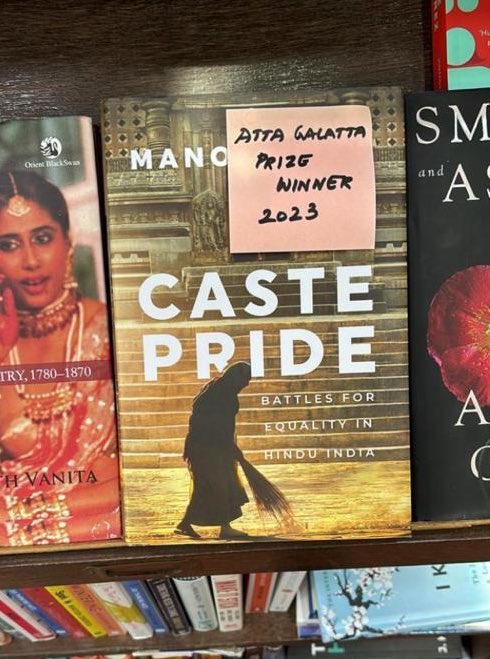
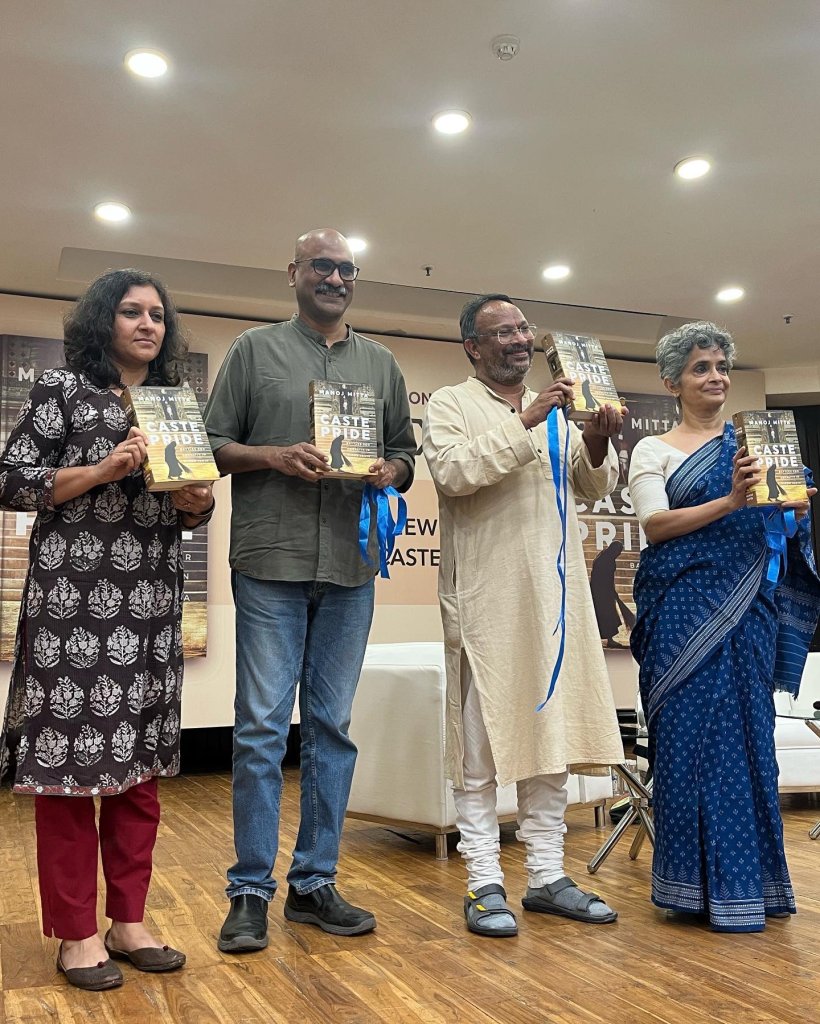
In Caste Pride: Battles for Equality in Hindu India, Manoj Mitta accomplishes something rare—he rewrites the story of caste not just as a social phenomenon, but as a legal construct that has been both challenged and defended in courtrooms, legislatures, and reform movements across two centuries. The result is a deeply unsettling, brilliantly researched, and quietly revolutionary book that forces us to rethink what we know about caste, justice, and the Indian state.
At first glance, Caste Pride appears to be a work of legal history. But very quickly, it reveals itself as much more: a panoramic political drama, a legal thriller, and a profoundly moral inquiry into India’s soul.
Caste as Policy, Not Just Tradition
Through previously unseen legislative and judicial records, Mitta explores how caste, particularly the insidious ideology of varna—a purity-based hierarchy—has defined who can live where, wear what, speak how, marry whom, and even seek justice under the law.
Caste is not merely tradition, he argues; it is policy. And it has been protected, shaped, and perpetuated not only by customs and scriptures but by court judgments, bureaucratic resistance, and the selective activism of political leaders.
The Complicity of the Judiciary
One of the most hard-hitting themes of the book is the role of India’s judiciary in entrenching upper-caste privilege. Mitta presents disturbing evidence of how the courts, far from being neutral arbiters, often sided with Brahmins and other elites, especially in cases involving caste violence, gender injustice, and claims for affirmative action.
This quiet but consistent protection of privilege reveals a system rigged from the inside—and exposes why legal reform, no matter how well-intentioned, has often fallen short of justice.
Resistance from Within and Beyond
Caste Pride is not just a critique—it is also a celebration of resistance. Mitta resurrects the legacies of revolutionary thinkers and doers like Savitribai Phule, B.R. Ambedkar, M.C. Rajah, Periyar, and R. Veerian. These leaders fought not just social oppression, but also legal and political structures that reinforced caste boundaries.
He also gives voice to lesser-known allies from outside the caste system—like Maneckji Dadabhoy, William Bentinck, and Lord Willingdon—who pushed for inclusion and reform from within colonial or administrative frameworks.
Recasting National Icons
The book does not spare even the most hallowed names of India’s freedom struggle. Mitta re-examines figures such as Mahatma Gandhi, Motilal Nehru, C. Rajagopalachari, and Madan Mohan Malviya with a clear lens, revealing their ambivalence—or even resistance—toward caste reform.
This is not character assassination, but historical correction. These figures are neither villainized nor glorified, but placed squarely within the contradictions of their time and ideology.
Movements That Shook the Temple Walls
Beyond individual figures, Caste Pride chronicles the vibrant grassroots movements that challenged caste supremacy. From the Satyashodhak Samaj in Maharashtra to the Dravidian movement in Tamil Nadu, the Arya Samaj in the north, and Lingayat philosophies in Karnataka—each rebellion chipped away at the foundations of Brahminical dominance.
But Mitta also shows how elite dominance was preserved through law, often adapting to resist these very revolutions.
A Calm Voice with a Quiet Rage
What makes this book extraordinary is its tone—measured, factual, and analytical, yet simmering with a quiet, relentless urgency. Mitta doesn’t raise his voice. He doesn’t need to. The evidence is so compelling, the insights so sharp, that the outrage seeps through every line.
Why Caste Pride Matters
For anyone seeking to understand how caste survives not just in streets and villages, but in the corridors of power and within the language of law, Caste Pride is essential reading. It is not just a book—it is a reckoning.
In documenting the way caste has been debated, denied, and defended in Indian law, Manoj Mitta has written what may well become the definitive legal and political history of caste in modern India. It doesn’t merely speak truth to power—it holds a mirror to a nation still struggling with the ghosts of its own design.




 Bookshotsapp
Leave a comment