
Yatish Bajpai
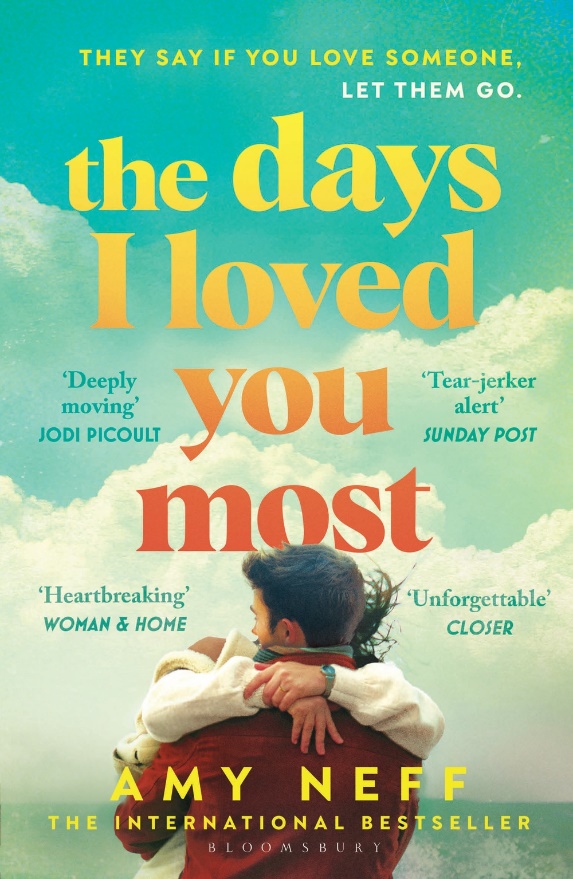
With her stunning debut The Days I Loved You Most, Amy Neff enters the literary scene with a voice as assured as it is poignant. Published in India by Bloomsbury, the novel is already being hailed as a modern classic in the genre of romantic fiction — but this is no saccharine love story. Neff’s book is a meditation on mortality, memory, and the quiet complexities of lifelong love, wrapped in a narrative that is both accessible and deeply resonant.
At first glance, the premise might echo familiar themes: a couple, Joseph and Evelyn, fall in love as children in a sleepy New England beach town and stay together through the decades. But Neff quickly subverts expectations. Now in their eighties, they gather their three adult children to deliver a shocking decision: in one year, they will end their lives together, choosing dignity over decline after Evelyn receives a terminal diagnosis.
This central act of agency — unsettling yet deeply intimate — anchors the novel. What follows is not simply a countdown, but an exploration: of what it means to love fully, of how families fracture and come together, and of how people shape — and are shaped by — their past.
Stylistically, Neff writes with elegance and restraint. Her prose is understated but evocative, painting the coastal landscape with a nostalgic warmth that echoes the emotional tone of the book. Dialogue feels natural, never overwrought, and her ability to inhabit multiple points of view — from the resolute Joseph to the grieving yet conflicted children — is one of the novel’s many strengths.
Critically, The Days I Loved You Most arrives at a moment when end-of-life narratives are gaining cultural and ethical relevance. As society grapples more openly with the right to die and questions of autonomy in aging, Neff’s novel doesn’t offer easy answers. Instead, it invites the reader into the tension — the heartbreak and grace — of choosing when, and how, a story ends.
This isn’t merely a book for romantics. It’s a novel that interrogates what love becomes when it’s no longer about the beginning, but the end. Readers of The Notebook, Me Before You, or even A Man Called Ove will find familiar emotional terrain here — but Neff’s characters are older, wiser, and perhaps more quietly brave.
Editor’s Note:
In a literary landscape often crowded with noisy love stories, Amy Neff’s The Days I Loved You Most is remarkable for its stillness and emotional clarity. It’s a debut that refuses sentimentality in favor of sincerity, making it one of the most affecting novels of the year.
 Bookshotsapp
Leave a comment