
K. Hari Kumar, the acclaimed Indian author and screenwriter known for his captivating dives into Indian folklore and regional mythology, has just released his ninth book: “Naaga – Discovering the Extraordinary World of Serpent Worship.” This new work promises to pull readers into the mystical realm of India’s divine serpents, the Naagas.
“Naaga” explores fascinating questions about these sacred beings:
- Who are the Naagas, India’s divine serpents?
- What secrets lie within their mythical realm, Naagaloka?
- What is the naagamani, and what myths surround it?
- What crucial role do serpent groves play in preserving ecological balance?
Through meticulous research and vivid storytelling, Hari Kumar expertly uncovers the deep cultural, spiritual, and historical significance of serpent worship across India. From the Naagabanas and Sarpakaavus of the southwestern coast, to the worship of Goddess Manasa in the East, and the ancient lore echoing in the Himalayan peaks, “Naaga” highlights shared truths, striking contrasts, and the unwavering reverence for these sacred beings.
Hari Kumar invites you on a journey where serpents aren’t just animals, but guardians of cosmic order, protectors, adversaries, and symbols of power—deities who continue to inspire awe and devotion in India’s spiritual consciousness.
The author of popular books like “Daiva” and “India’s Most Haunted” (which HarperCollins India listed among its “Hundred Best Books by Indian Authors”), K. Hari Kumar brings his signature blend of compelling narrative and profound insight to “Naaga.” Beyond his books, he’s also an active screenwriter and filmmaker; his novel “The Other Side of Her” was adapted into the hit web series “Bhram.” Hari is a sought-after speaker at prestigious events and hosts his own podcast, “The Fourth State,” focusing on Indian occult, spirituality, and sacred narratives.
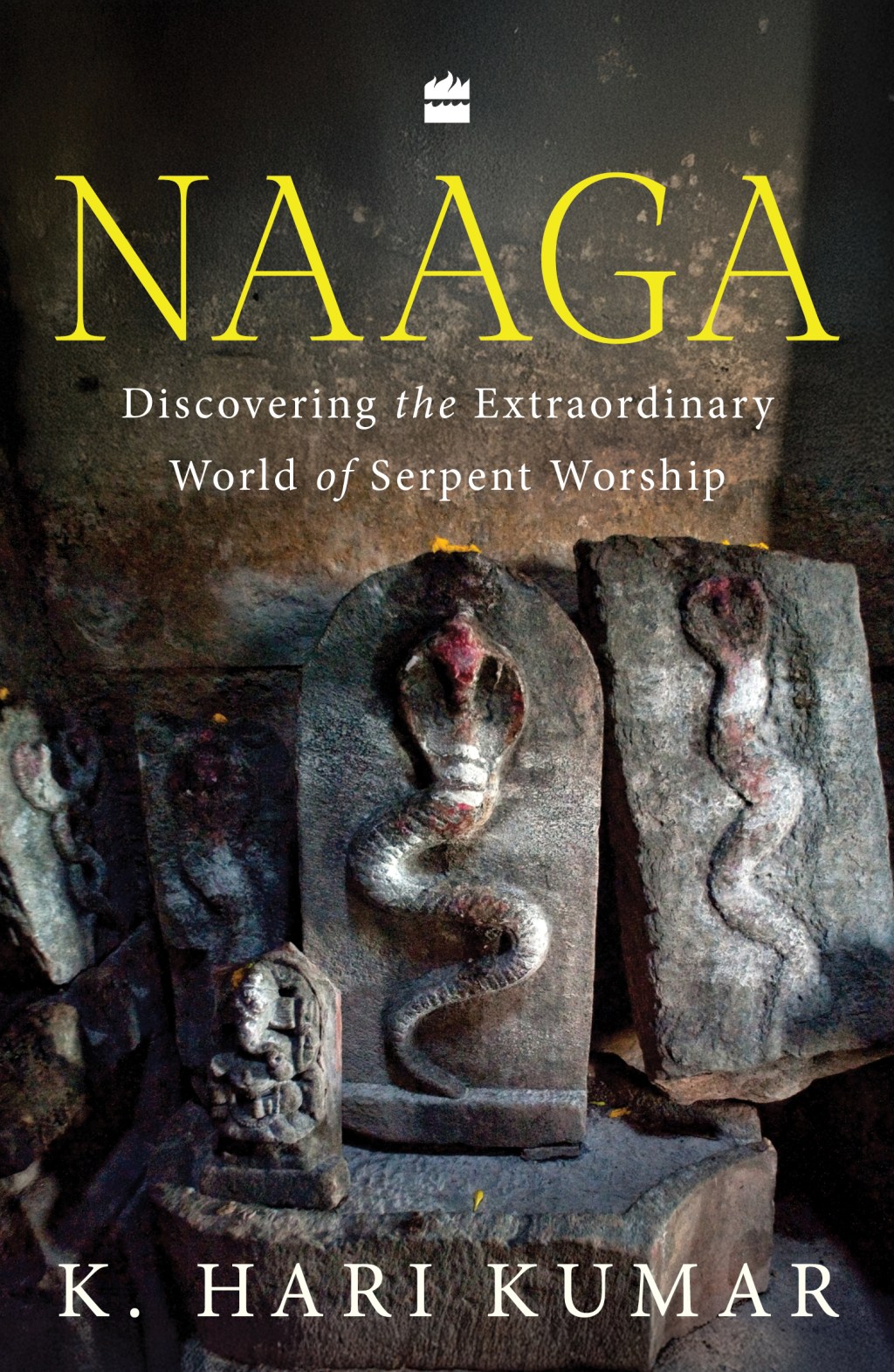
“Naaga – Discovering the Extraordinary World of Serpent Worship” is available now, offering a compelling read for anyone fascinated by India’s rich mythological heritage and the enduring power of its sacred stories.
 Bookshotsapp
Leave a comment