
Beneath the canopy of a Kerala serpent grove, where shadows dance with moonlight and the air hums with ancient whispers, K. Hari Kumar begins his ninth book, Naaga: Discovering the Extraordinary World of Serpent Worship. Published by HarperCollins India in July 2025, this 392-page odyssey slithers through the heart of India’s mystical traditions, weaving a tapestry of travelogue, memoir, and cultural study. With the finesse of a master storyteller, Kumar invites readers into the enigmatic realm of the Naagas—divine serpents who coil through India’s spiritual consciousness as guardians, protectors, and harbingers of cosmic balance.
A Tapestry Woven with Myth and Memory
Naaga unfurls in four mesmerizing sections, each a portal to a different facet of serpent worship: the sacred Naagabanas and Sarpakaavus of Karnataka and Kerala, where trees and serpents entwine in silent reverence; the vibrant cult of Goddess Manasa in Bengal and Assam, her presence a flicker of divine feminine power; the primal myths of Nagaland and the Northeast, where serpents guard ancient secrets; and the Himalayan peaks, where snow-dusted cliffs echo with tales of serpentine deities. Kumar’s regional mosaic reveals not just diversity but a profound unity—a shared heartbeat of devotion that pulses across India’s vast landscape.
What elevates Naaga beyond scholarship is Kumar’s ability to breathe life into the myths. His prose slithers between the academic and the intimate, as he weaves personal memories—his grandmother’s whispered tales of serpent deities, the faint scent of camphor from his ancestral shrine—into the narrative. In one haunting passage, he stands in a grove, the silenceಯ
System: earth beneath his feet trembling with the weight of unseen eyes, and feels the gaze of the Naaga itself. These moments transform Naaga from a study into a pilgrimage, both for the author and the reader.
A Timely Reclamation of Sacred Lore
The significance of Naaga lies in its bold reclamation of a tradition too often dismissed as superstition. The last major Western account of Indian serpent worship, dated 1906, faded into obscurity, leaving the Naagas shrouded in misunderstanding. Kumar’s work resurrects their narrative, casting them as ecological sentinels and spiritual icons. The serpent groves, he reveals, are not mere relics but biodiversity hotspots—living testaments to an ancient wisdom that marries faith and conservation. In an age of climate crises, this message resonates like a mantra, urging us to heed the serpents’ silent counsel.
Kumar’s cinematic background—evident in his adaptation of The Other Side of Her into the hit web series Bhram—infuses his prose with vivid, almost tactile imagery. He paints the rustle of leaves in a Sarpakaavu, the flicker of a snake’s tongue under moonlight, the murmur of mantras in a Himalayan shrine with a clarity that pulls readers into the scene. The myths of Naagaloka, the serpent realm, and the naagamani, a gem of divine power, unfold like fever dreams, rich with wonder and dread.
A Dance of Light and Shadow
If Naaga has a flaw, it is its occasional density. The sheer breadth of myths and regions can feel like a cascade of stories rather than a single, flowing arc. Yet, this structure mirrors the serpentine subject itself—winding, multifaceted, elusive. The complexity is not a fault but a necessity, honoring the vastness of a tradition that defies simplification.
A Beacon of Cultural Memory
Naaga is a triumph of preservation and imagination, a work that ensures the serpents of India hiss at the forefront of cultural consciousness. Kumar, celebrated for Daiva and India’s Most Haunted—the latter a gem on HarperCollins India’s “Hundred Best Books by Indian Authors”—proves once again why he is a luminary of Indian storytelling. His voice, both scholarly and soulful, bridges the ancient and the modern, the mythical and the real.
Why You Should Read Naaga
For those drawn to the intersections of mythology, spirituality, and ecology, Naaga: Discovering the Extraordinary World of Serpent Worship is a revelation. It answers the call of timeless questions—Who are the Naagas? What secrets lie in Naagaloka? What is the naagamani? How do serpent groves cradle ecological balance?—while guiding readers through a world where serpents are not to be feared but revered as deities of power and balance. With meticulous research, lyrical prose, and a heart laid bare, Kumar crafts a journey that lingers like the scent of sandalwood in a sacred grove.
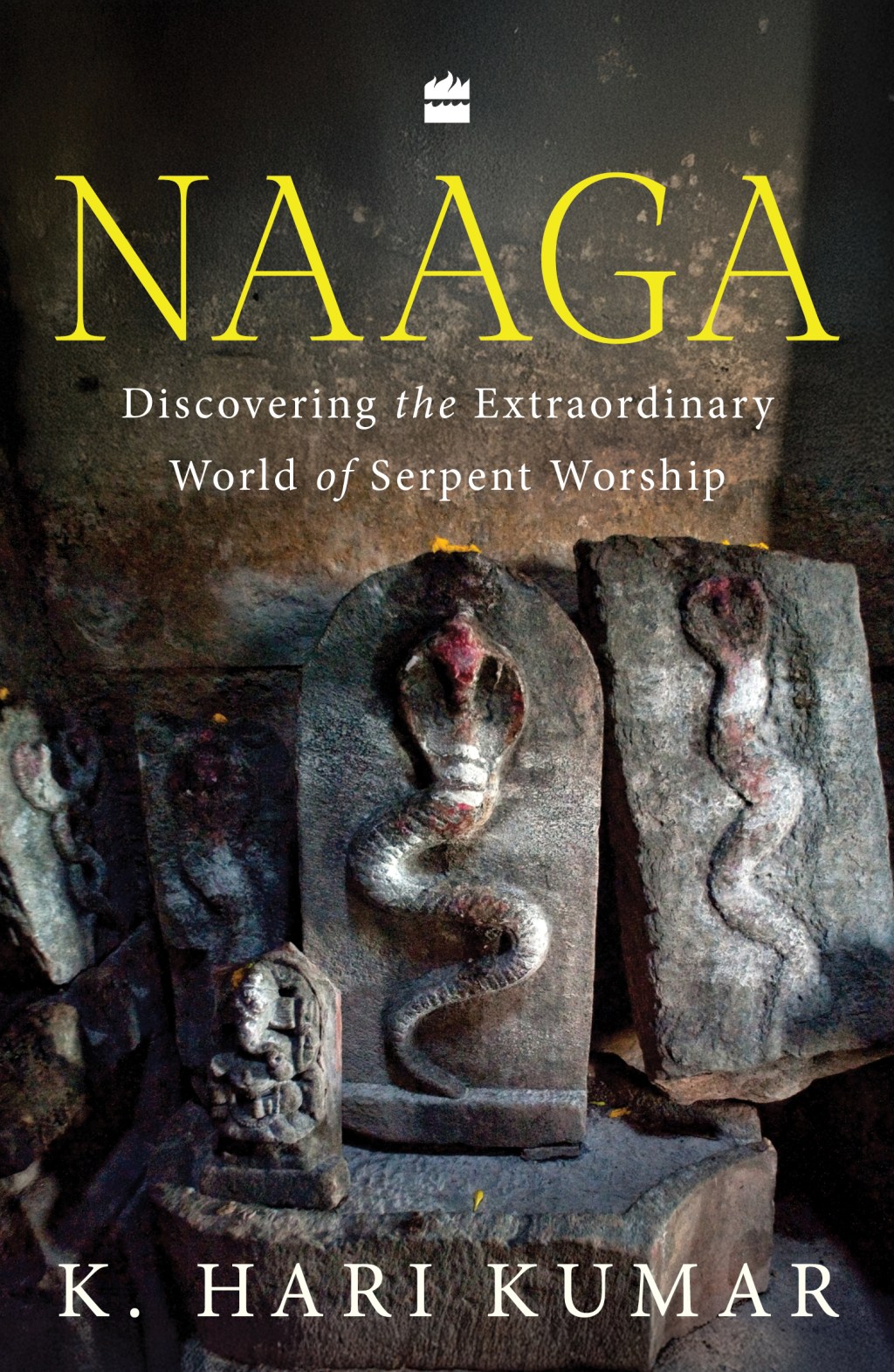
Embark on this pilgrimage, and let the Naagas weave their spell around you.

 Bookshotsapp
Leave a comment