
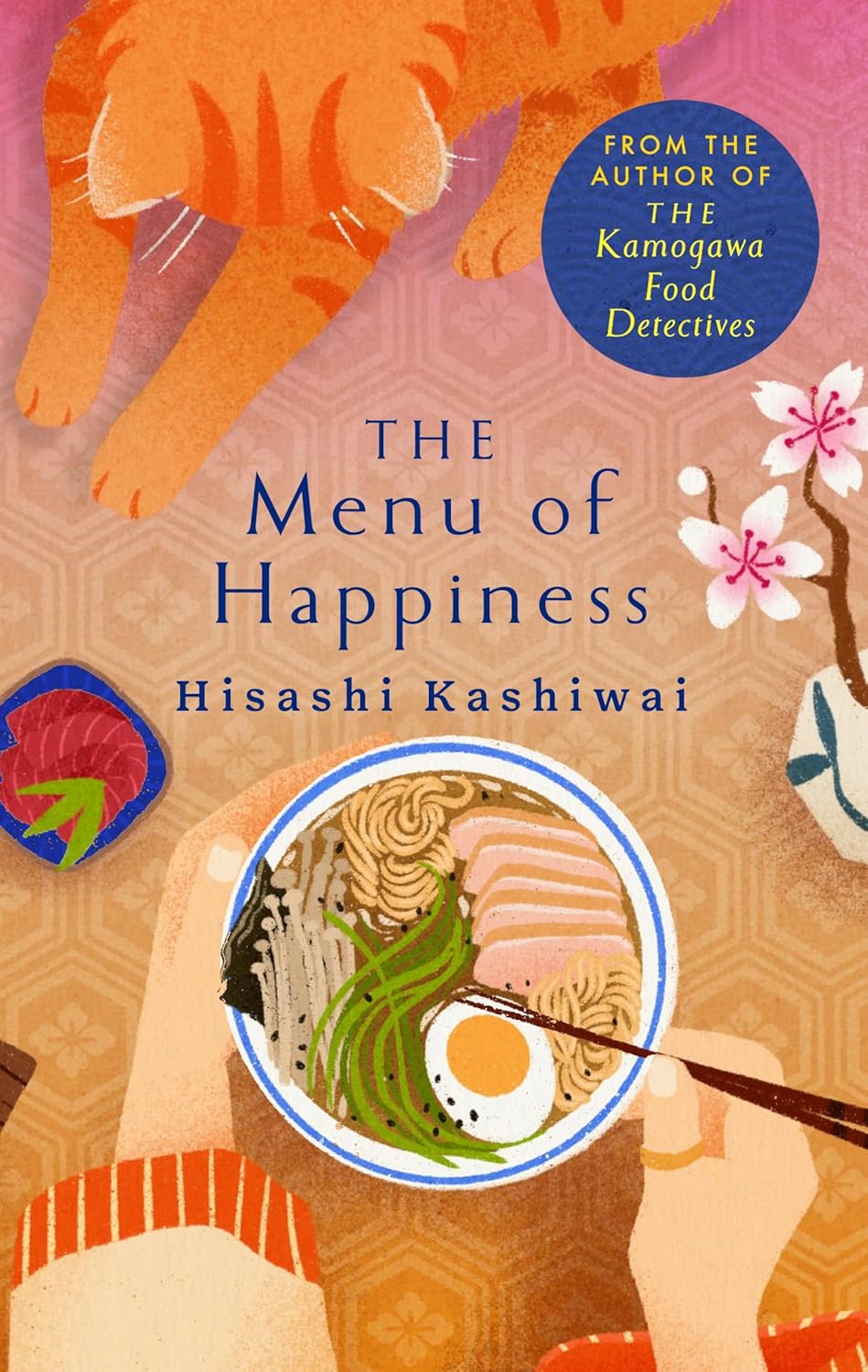
In the heart of Kyoto, tucked away from the bustle of modern life, sits the Kamogawa Diner, a place where every meal tells a story and every bite carries the weight of memory. Translated with warmth and nuance by Jesse Kirkwood, Hisashi Kashiwai’s The Menu of Happiness is the third installment in his acclaimed Japanese culinary mystery series written by Hisashi Kashiwai and translated by Jesse Kirkwood. More than just a book about food, it is a tender meditation on love, regret, and the quiet magic that comes from connecting with the past through flavor.
A Diner Beyond the Ordinary
The Kamogawa Diner is not just a restaurant; it is a sanctuary of memory. Run by a father–daughter duo with a unique gift, the diner serves dishes designed to evoke long-forgotten experiences and heal emotional wounds. Patrons come with more than appetites—they arrive with stories, regrets, and the yearning to reconcile with the past. Each dish becomes a narrative thread, delicately weaving together moments of nostalgia and emotional resolution.
A once-renowned pianist visits, longing to taste the yakisoba she once shared with the only man she truly loved. Another man, weighed down by guilt and missed opportunities, seeks solace in the gyoza his lover’s parents once served. In Kashiwai’s hands, these meals are never mere food—they are portals into memory, vessels of emotion, and instruments of human connection.
Characters Full of Life and Longing
What makes Kashiwai’s work so compelling is his empathy. His characters are ordinary people navigating complex emotions, yet they resonate universally. The pianist’s quiet sorrow, the man’s quest for forgiveness, and the gentle interactions of the diner staff all reflect a keen observation of human nature. Humor and warmth balance melancholy, creating moments of both laughter and reflection.
As Booklist notes, “Deliciousness lingers,” a sentiment that applies not only to the culinary descriptions but also to the lingering emotional resonance of the characters’ journeys. Each story is a standalone exploration of human longing, yet woven seamlessly into the larger tapestry of the Kamogawa Diner.
A Sensory Journey Through Kyoto
Kashiwai’s Kyoto is vividly alive—its streets, rivers, and seasonal landscapes are as integral to the story as the food itself. The narrative engages all the senses: the steam rising from freshly cooked yakisoba, the sizzle of gyoza on a hot plate, the earthy aroma of miso soup. Through these sensory details, the author transports readers to the diner’s intimate corners and the city’s serene streets.
Critics have praised this approach. Kirkus Reviews highlights the book’s celebration of Japanese cuisine, while the Library Journal calls it “the equivalent of delightful comfort food.” Yet it is not indulgent for indulgence’s sake; each detail serves the story, deepening the reader’s understanding of character, memory, and longing.
Themes of Love, Loss, and Reconnection
At its heart, The Menu of Happiness is about the human need to connect—with others, with oneself, and with the past. Kashiwai explores universal themes: lost love, reconciliation with parents, and revisiting the joys and sorrows of youth. These are not heavy-handed moral lessons but gently observed truths that unfold naturally within the comforting rhythm of the diner.
The father–daughter duo of the diner embodies the book’s ethos: empathy, patience, and the small acts of kindness that can profoundly change lives. Their culinary “detective work” becomes a metaphor for listening, understanding, and mending what was once broken—a philosophy that resonates long after the final page.
Why This Book is a Must-Read
For fans of Before the Coffee Gets Cold, The Menu of Happiness delivers a similar cozy, reflective charm, enriched by a Japanese culinary perspective. Kashiwai’s gentle humor, meticulous attention to detail, and deep empathy for his characters make the series a literary feast.
Beyond its appeal to food lovers, the book is an emotional experience—a journey that invites readers to reflect on their own memories, regrets, and the moments that shaped them. It’s a story that is both soothing and stirring, capable of eliciting laughter, tears, and the comforting realization that food, memory, and love are deeply intertwined.
The Menu of Happiness is more than a novel; it is a celebration of memory, human connection, and the extraordinary in the ordinary. With richly drawn characters, evocative sensory descriptions, and a tender exploration of longing and reconciliation, it is a heartwarming literary feast. Whether you are a fan of Japanese cuisine, character-driven fiction, or simply a beautifully told story, this book will leave a lasting impression.
Publisher: Pan Macmillan India (Indian Subcontinent Rights)
Recommended for: Lovers of food-based fiction, heartwarming mysteries, and stories that linger long after the last page.
“Like sights and sounds, tastes are deeply connected to one’s memories. Kashiwai shows a tremendous amount of empathy for his characters, and you’ll laugh, you’ll cry, and you’ll open a delivery app.” – Apple Books




 Bookshotsapp
Leave a comment