
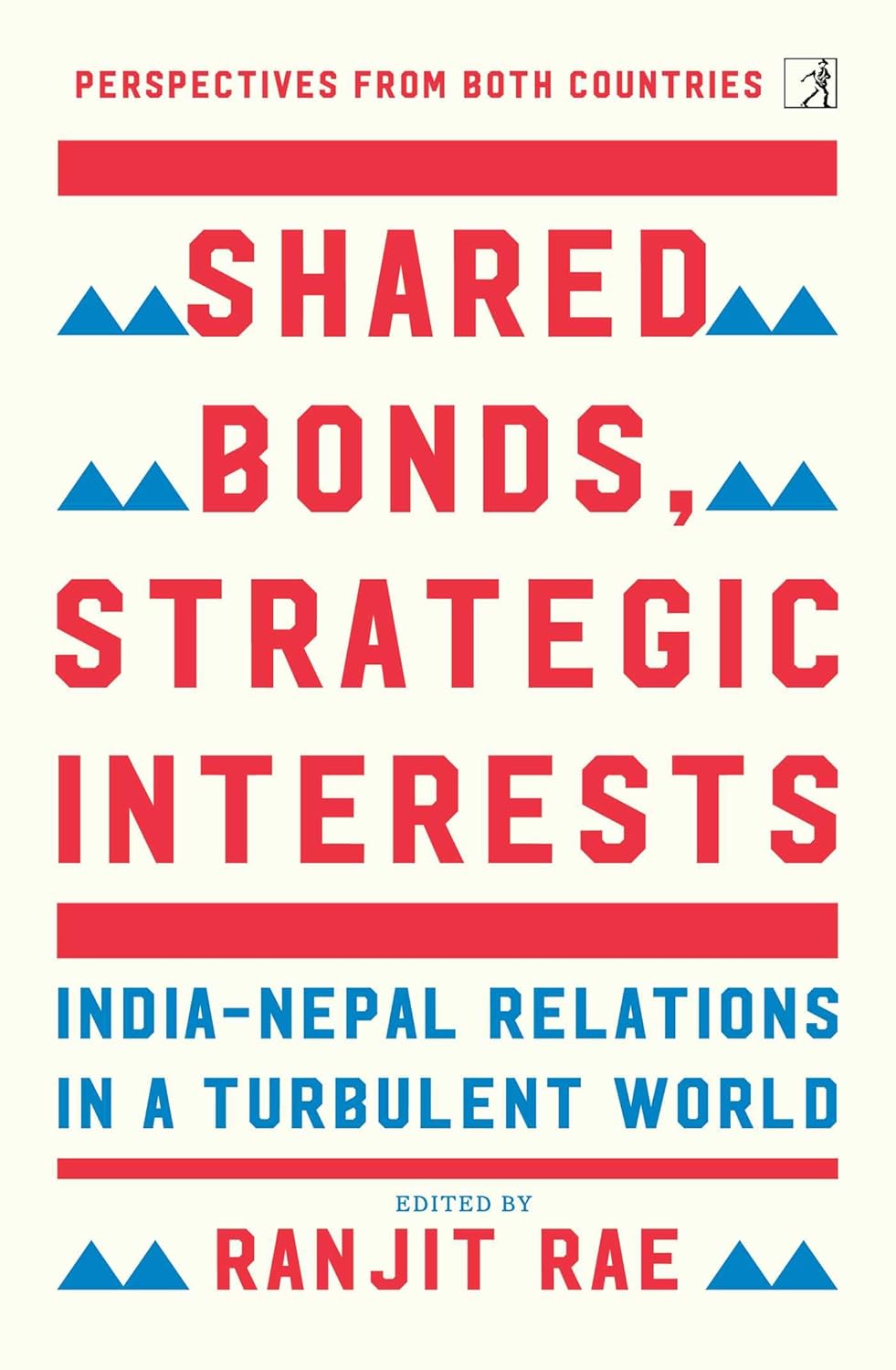
A new edited volume by former Indian Ambassador to Nepal Ranjit Rae takes a deep, timely look at one of South Asia’s most sensitive and consequential relationships. Shared Bonds, Strategic Interests: India–Nepal Relations in a Turbulent World brings together top scholars, diplomats, military voices and journalists from both countries to examine a friendship rooted in history but constantly tested by shifting geopolitics.
The book arrives at a critical moment. The unprecedented Gen Z protests of September 2025 in Nepal — which toppled the K. P. Oli government — form a central reference point. The contributors assess not only the prospects for political stability and elections in Nepal, but also how this wave of youth-driven activism may reshape ties with New Delhi in the near term.
Across its essays, the volume explores the full breadth of the bilateral agenda:
– India’s Neighbourhood First policy and its impact on Kathmandu
– The growing China factor, and what Beijing’s presence in the Himalayas means for South Asian balance of power
– Water resources, connectivity, and hydropower opportunities
– The Agniveer recruitment issue and the future of Gorkha soldiers in the Indian Army
– People-to-people exchanges along Himalayan communities who straddle the border
By blending historical context with present-day flashpoints, the book maps not only the irritants in the relationship but also clear pathways for cooperation — economic, cultural, strategic and environmental.
About the Author:
Ranjit Rae served as India’s Ambassador to Nepal from 2013 to 2017, giving him a ringside view of the country’s most dramatic modern turning points — from the 2005 royal coup and Maoist peace process to the 2015 earthquake and adoption of Nepal’s new Constitution. A career diplomat, he has also served in Vietnam and Hungary, held key positions in the Ministry of External Affairs and President’s Secretariat, and worked with UN peacekeeping missions. His previous book, Kathmandu Dilemma, was published in 2021.
Why This Book Matters:
– Among the first authoritative studies to cover Nepal’s 2025 youth protests and their regional fallout
– Inclusive voices from both sides of the border, including diplomats, academics, military officers and reporters
– Offers concrete, pragmatic suggestions for strengthening bilateral ties in a world shaped by India–China rivalry and global geopolitical turbulence
For policymakers, researchers, and anyone seeking to understand South Asia’s high-stakes neighbourhood diplomacy, Shared Bonds, Strategic Interests is both essential reading and a preview of where India–Nepal relations may be headed next.




 Bookshotsapp
Leave a comment