
On a freezing night in 1967, Kanwal Rekhi arrived in the United States with just $8 in his pocket. He was alone, far from home, and part of a small, uncertain group later known as the “$8 Men”—Indian emigrants allowed to carry almost nothing out of the country. Failure was not an option. It would have meant returning home defeated.
What Rekhi carried instead was a stubborn belief that ability, not circumstance, would decide his future.
When Success Itself Became Suspicious
At university, excellence brought not praise but doubt. After topping an exam, Rekhi was accused of cheating by his professor. The next test was worse—the professor stood behind him the entire time. Rekhi scored even higher.
The accusation didn’t disappear. But Rekhi learned an early lesson: you don’t argue with disbelief; you outgrow it.
At the Birth of the Digital Age
As Silicon Valley was taking shape, Rekhi was there—building companies, backing ideas others dismissed, and taking risks when the digital future was still uncertain. His rise brought him into close circles with Bill Gates, Steve Jobs, and Larry Ellison.
Fortune magazine would later dub him the “Godfather of Silicon Valley’s Indian Mafia,” a title that captured both his influence and the growing presence of Indian-origin leaders in global technology.
Power Used as a Multiplier
For Rekhi, success was never meant to be hoarded. Over decades, he mentored thousands of entrepreneurs, many of whom went on to build million- and billion-dollar companies. His belief was simple: entrepreneurship is not about individual glory, but collective progress.
That belief took him beyond corporate boardrooms—into advising Presidents and Prime Ministers on policies that encouraged innovation, opportunity, and democratic values.
More Than a Memoir, a Warning and a Call
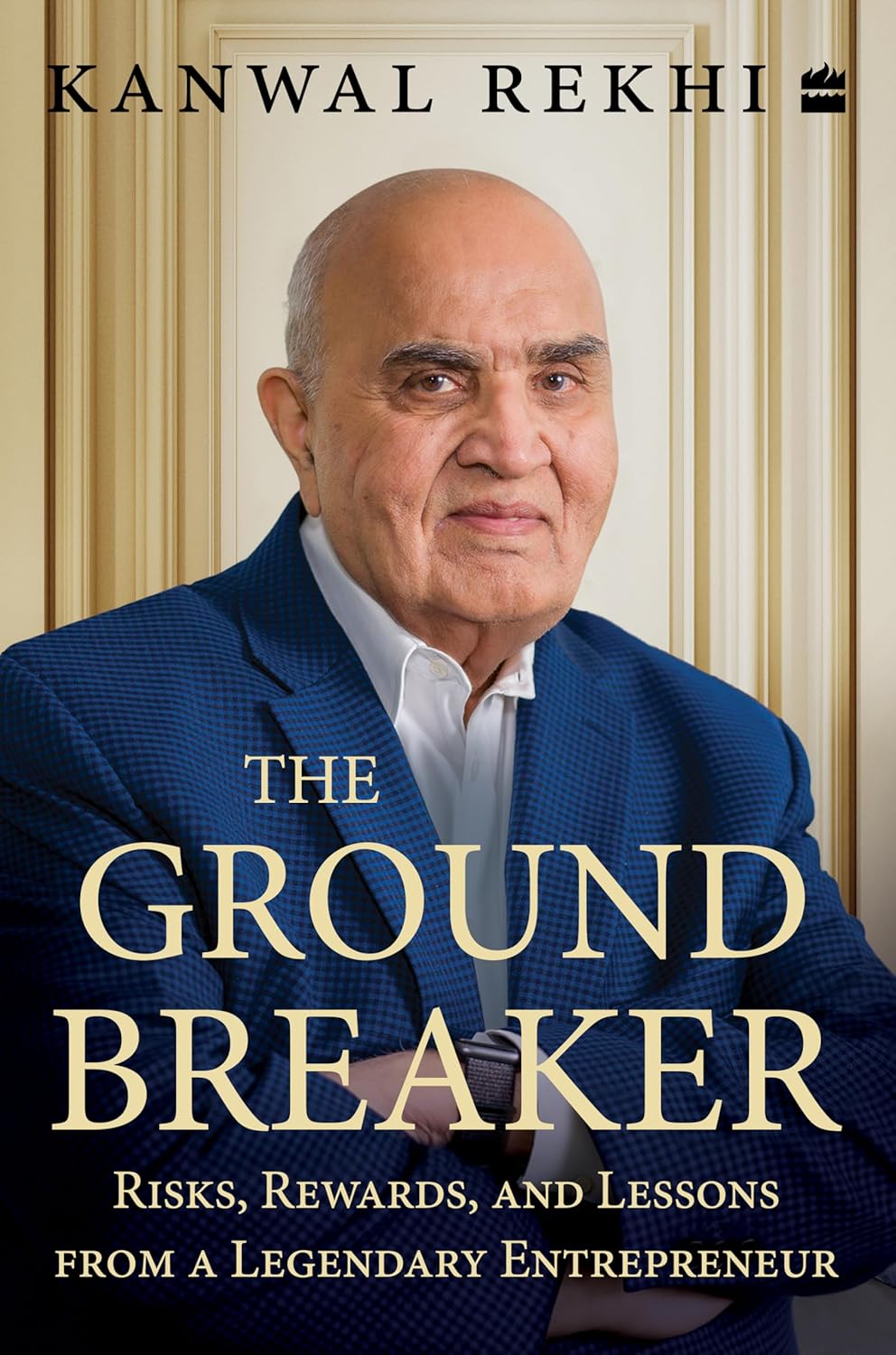
In The Groundbreaker: Risks, Rewards, and Lessons from a Legendary Entrepreneur, Rekhi reflects not just on what it meant to be an American at the dawn of the digital revolution, but on what it means now—at a time of uncertainty, disruption, and rising barriers.
Part memoir, part manifesto, the book speaks directly to immigrants, founders, dreamers, and risk-takers—those willing to bet on themselves even when the odds seem stacked against them.
Because as Rekhi’s life shows, history doesn’t always begin with privilege. Sometimes, it begins in the cold—with $8, doubt all around, and the courage to move forward anyway.


 Bookshotsapp
Leave a comment