
BOOKSHOTSAPP DESK
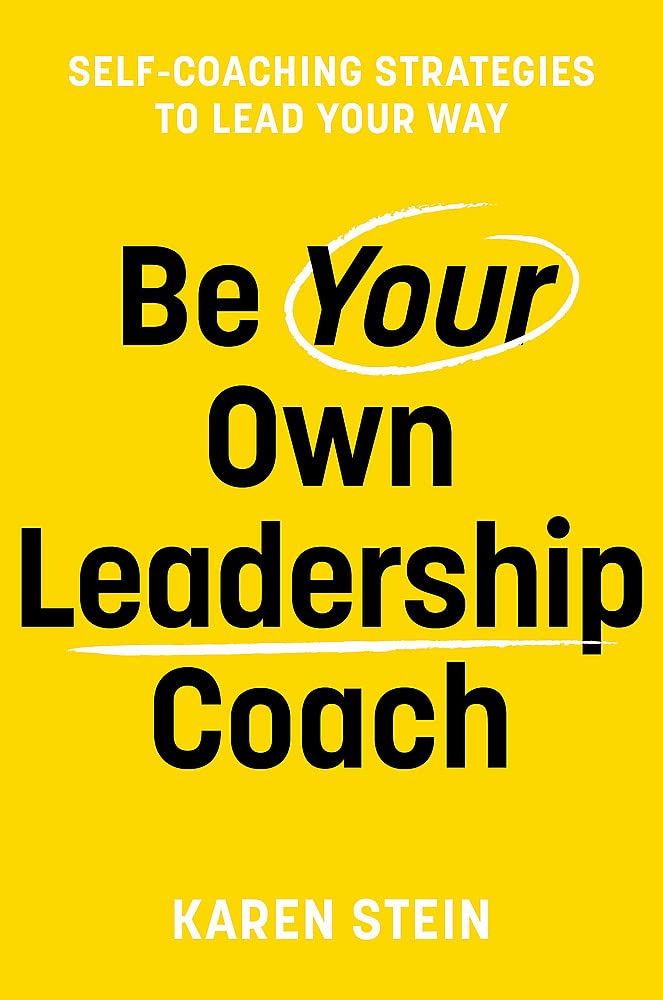
In a leadership landscape increasingly defined by speed, visibility, and constant pressure to perform, Karen Stein offers a quieter—and far more sustainable—point of view. With nearly three decades of experience as an executive coach, including her work at Deloitte Australia, Stein has coached hundreds of senior leaders, many of them women navigating the complex realities of leadership at scale. Over time, her work revealed a deeper insight: while coaching can be transformative, access to it remains limited to a small and often privileged group.
This realization led Stein to rethink how leadership development is delivered. Instead of relying solely on traditional one-on-one coaching, she began advocating for self-coaching—practical, everyday tools that leaders can use independently. Often described by Stein as a “virtual backpack,” these strategies are designed to help individuals navigate challenges as they arise, build resilience, and lead with greater intention, whether or not a coach is in the room.
In this BookShots conversation, Stein reflects on leadership as a practice rather than a performance. She speaks about the value of building personal support networks, managing energy like a corporate athlete, and treating wellbeing as a leadership responsibility—not a luxury. At the heart of her approach is self-awareness: the discipline of listening more deeply, noticing one’s impact, and leading with curiosity rather than certainty.
The interview that follows offers a thoughtful exploration of modern leadership—one that is more accessible, more human, and better suited to the realities leaders face today.
Book Shots App: You’ve had an extensive coaching career, including coaching hundreds of women leaders at Deloitte Australia and working with not-for-profits. What inspired you to focus so strongly on self-coaching?
Karen Stein: During my time at Deloitte, I had the privilege of coaching many women leaders and partners. Alongside this, I volunteered as a coach with organizations such as Dress for Success, which supports women re-entering the workforce, and The Bambudda Group, a social enterprise focused on kindness in leadership.
Through these experiences, I became deeply aware of how privileged it is to have access to a coach. I was privileged to coach these individuals—but they were also privileged to receive one-on-one coaching conversations. That realization made me pause.
There are so many people who do not have access to a coach. I wanted to find a way to increase equity in coaching—so that people wouldn’t have to wait until they were sitting beside a coach to gain clarity or move forward.
That’s where self-coaching came in. My goal became helping people build their own “virtual backpack” of strategies—tools they can draw on every day to support themselves in the moment. When people practice self-coaching, they gain autonomy, self-awareness, and confidence. And when they do work with a coach, the conversations become far more nuanced and powerful.
Book Shots App: You often say leadership is a practice, not a performance. In your own journey, what was the hardest belief you had to unlearn?
Karen Stein: The biggest belief I had to unlearn was that I had to do it all myself. I worked well in teams and collaborated effectively, but when it came to my own professional growth, I felt that responsibility sat solely with me. I believed I should have the answers.
What I later realized was how powerful it would have been to build a personal board of directors much earlier in my career—people who could support, challenge, guide, and advocate for me.
This included coaches, mentors, advocates, cheerleaders—people I could learn from and lean on. Letting go of the idea that independence meant doing everything alone was transformational. Leadership becomes far richer when we allow others to support our growth.

Book Shots App: Your book positions self-care as a leadership responsibility, not a luxury. Why do so many leaders still struggle with this idea?
Karen Stein: Because we live in a world where busy has become the norm—and even a badge of honor. Leaders are constantly responding to demands, information, and expectations. In that busyness, personal wellbeing is often deprioritized. We help others before helping ourselves.
There’s also a social narrative that equates being busy with being valuable or in demand. But the reality is, there’s no benefit in being busy if you’re depleted—physically, emotionally, cognitively, or relationally.
When leaders make space to attend to their wellbeing, they don’t become less productive—they become far more effective. Self-care enables sustained energy, clarity, and impact.
Book Shots App: From your decades of experience, what is the most common leadership blind spot you see among highly accomplished leaders?
Karen Stein: A lack of genuine self-awareness. Many leaders believe they are self-aware, but their awareness is often far lower than it could be. Without the ability to step outside themselves and reflect, they miss what others clearly see—how they show up, how they listen, how they impact people.
This lack of awareness can show up as poor listening, diminished empathy, or ignoring personal wellbeing. Increasing self-awareness is one of the most powerful levers for leadership effectiveness.
Book Shots App: You describe leaders as “corporate athletes.” What does that mean in practice?
Karen Stein: The concept comes from research published in Harvard Business Review by Loehr and Schwartz. Just as elite athletes manage their energy to perform at peak levels, leaders must do the same. There are four key energy dimensions:
- Physical
- Emotional
- Cognitive
- Spiritual
Like athletes, leaders must prepare, perform—and crucially—recover. Without rest and renewal, peak performance leads to burnout. Being a corporate athlete means building rituals that help regulate energy throughout the day: taking breaks, managing mood, practicing gratitude, using music, breathing between meetings, and reflecting on what depletes or restores energy. Small, intentional actions make a profound difference.
Book Shots App: Listening and conscious communication play a central role in your work. What is one simple shift leaders can make to immediately improve their impact?
Karen Stein: Listen with curiosity. The best leaders don’t listen to confirm what they already believe—they listen to learn. Instead of talking at people or demonstrating expertise, they ask thoughtful questions and sit with the answers.
Curiosity deepens empathy, strengthens relationships, builds trust, and makes people feel seen and valued. When people feel they matter, engagement rises dramatically. True listening expands perspective—and perspective is leadership currency.
Book Shots App: You’ve mentioned the idea of a “personal board of directors.” What is it, and how can leaders build one?
Karen Stein: Just as organizations rely on boards for governance and guidance, leaders benefit from surrounding themselves with a diverse support system. A personal board of directors might include:
- A coach for reflection and growth
- A mentor for wisdom and guidance
- An advocate who champions you when you’re not in the room
- A reciprocal mentor who offers fresh perspectives, often across generations
- A cheerleader who provides emotional support and confidence
These relationships help leaders see blind spots, explore options, and feel supported rather than isolated. Leadership should never be a solo endeavor.
Book Shots App: If a leader committed to just one practice for the next 30 days, what would you recommend?
Karen Stein: Build the habit of self-coaching. I recommend a simple 10-by-10 practice:
10 minutes in the morning:
Ask, Who do I want to be today? What behaviors, emotions, and thinking will help me lead well?
10 minutes at the end of the day:
Reflect, Did my impact match my intention? If not, what got in the way—and what can I do differently?
This daily loop builds awareness, responsiveness, emotional regulation, and wellbeing. Over time, leaders become more intentional, energized, and aligned with their values.
This conversation with Karen Stein cuts through much of the noise that surrounds leadership today. Instead of chasing visibility or authority, she brings the focus back to what actually sustains leadership over time—how leaders think, how they listen, and how well they take care of their own energy.
Stein speaks to leadership as something that is built quietly, through awareness rather than intensity. Her emphasis on reflection, personal support systems, and intentional recovery challenges the idea that leaders must carry everything alone or push endlessly to prove their value. Progress, in her view, comes from noticing patterns, making small adjustments, and staying connected to purpose.
What emerges is a grounded and realistic way of leading—one that doesn’t rely on perfection or constant external guidance. Instead, it asks for attention, honesty, and the discipline to pause. In doing so, Stein offers leaders a more sustainable path forward—one that allows them not just to perform, but to endure and grow.
Readers who would like to connect further are warmly invited to do so via LinkedIn at https://www.linkedin.com/in/karen-stein-coaching/
Karen Stein’s book is available through all good bookstores in India via Pan Macmillan India, and can also be purchased online through Amazon.
 Bookshotsapp
Leave a comment