
As Indian families move past January resolutions into everyday routines, a quiet but urgent conversation is unfolding in homes and classrooms: how much screen time is too much for children, and what are we replacing it with?
With smartphones, tablets, and online classes deeply woven into childhood, parents and educators are increasingly worried about attention spans, emotional health, and social skills. Recent estimates suggest that nearly half of urban Indian children aged 9–17 spend over three hours a day on screens, while more than one in five cross six hours — far beyond recommended limits.
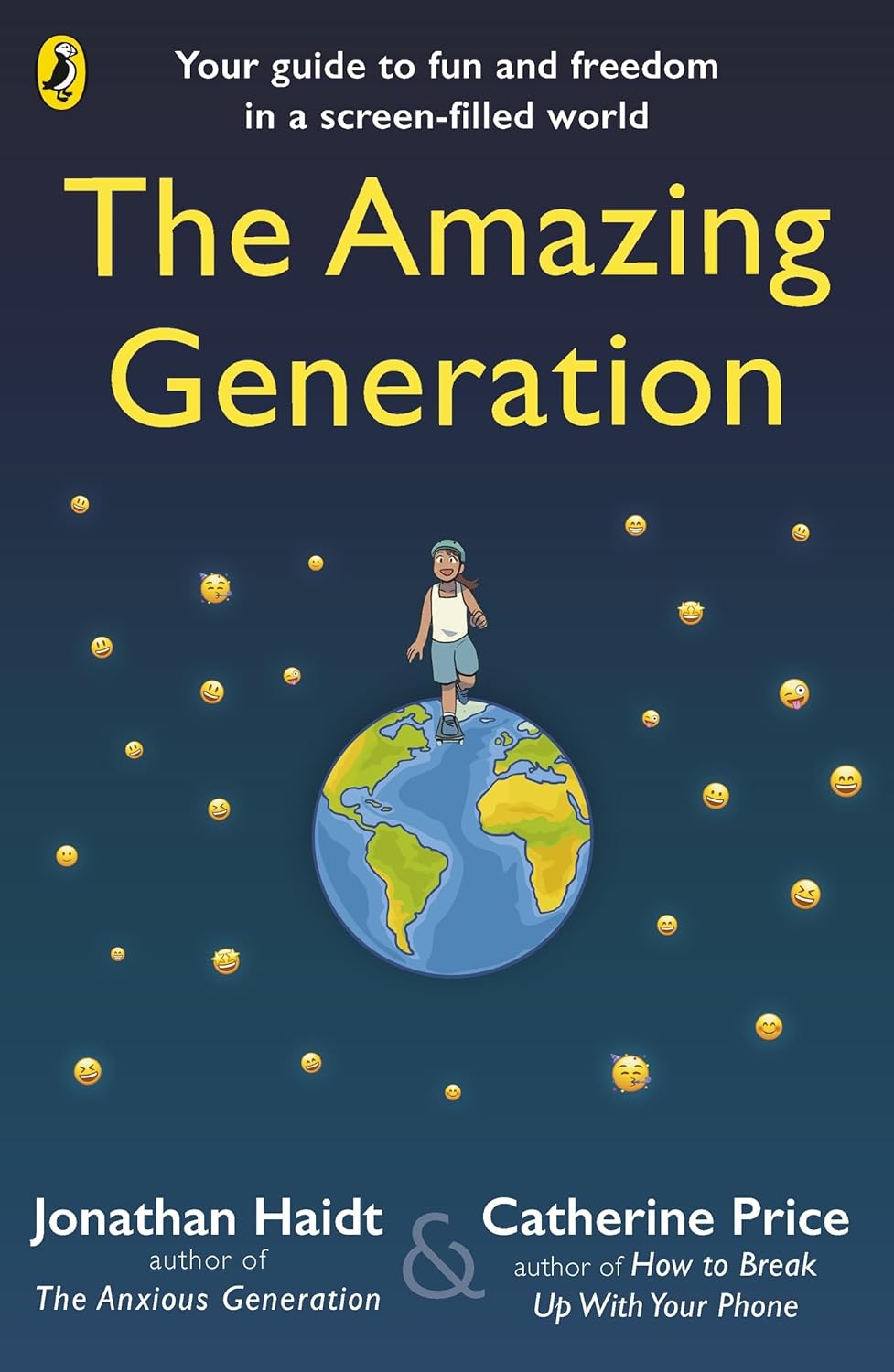
It is within this backdrop that a new children’s book, The Amazing Generation by Jonathan Haidt and Catherine Price, arrives as a timely and hopeful intervention.
From Awareness to Action
Jonathan Haidt’s global bestseller The Anxious Generation sparked worldwide debate on how smartphones and social media are reshaping childhood and mental health. While that book spoke primarily to parents, policymakers, and educators, The Amazing Generation turns the conversation directly towards children themselves.
Designed for readers aged 8–12, the book shifts the tone from anxiety to empowerment. Instead of warning children about screens, it invites them to rediscover curiosity, courage, creativity, and connection in the real world.
A Playful, Science-Backed Guide for Young Minds
What sets The Amazing Generation apart is its balance. The book does not demonise technology or call for digital detoxes. Instead, it helps children understand — in simple, age-appropriate language — how screens influence their focus, emotions, friendships, and sense of self.
Through illustrations, relatable scenarios, and interactive challenges, children are encouraged to make mindful choices: stepping outdoors, talking to friends face-to-face, experimenting with boredom, and trusting their own abilities.
The result is a guide that feels less like a lecture and more like a friendly conversation.
Why the Book Matters Now
As discussions around screen time extend beyond parenting circles into schools and policy debates, The Amazing Generation positions itself as a practical tool for everyday life. It speaks to families trying to rebalance digital habits without conflict, guilt, or fear.
The book is also classroom-friendly, making it relevant for schools, libraries, and community spaces seeking constructive ways to address attention, emotional regulation, and social development among children.
Voices Behind the Book
Jonathan Haidt, a social psychologist and professor at NYU’s Stern School of Business, has been at the forefront of global discussions on youth mental health and digital life. Co-author Catherine Price, an award-winning science journalist and author of How to Break Up with Your Phone, brings clarity, warmth, and accessibility to complex research.
Together, they offer a message that resonates deeply: children don’t need to escape technology — they need the confidence to choose life beyond the scroll.
Beyond the Scroll
In an age of constant notifications and shrinking attention spans, The Amazing Generation arrives not as a warning bell, but as an invitation — for children to build resilience, independence, and joy offline, and for families to make small, sustainable changes that last well beyond January.



 Bookshotsapp
Leave a comment