
In a culture that celebrates hustle and glorifies exhaustion, failure is often framed as a lack of discipline or ambition. But what if the real problem is simpler — and more human? What if people aren’t lazy, unmotivated, or inconsistent, but simply running out of energy?
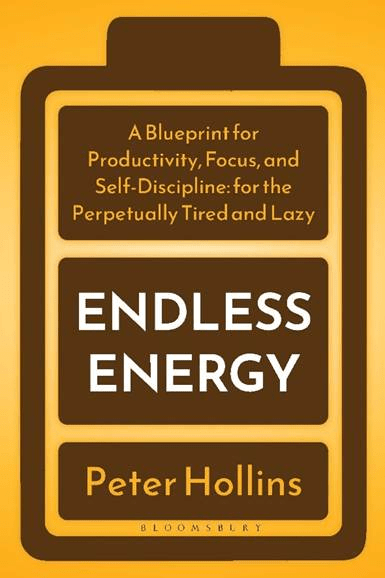
That question sits at the core of Endless Energy, a new human-performance guide by bestselling author and psychology researcher Peter Hollins. The book argues that no habit, strategy, or life overhaul can succeed without first addressing the biological and psychological energy required to sustain it.
Hollins challenges the idea that motivation alone drives change. Instead, he presents energy as the true currency of productivity — something shaped by sleep, nutrition, emotional health, cognitive load, and even cellular biology. Fatigue, procrastination, and apathy, he writes, are not character flaws but warning signals of deeper drains.
Central to the book is a single “energy pyramid,” a framework that connects the body’s physiology with mental and emotional costs. From understanding how cells produce energy to recognizing how unresolved stress quietly erodes focus, Hollins blends science with everyday relevance. The emphasis is not on pushing harder, but on restoring what has been depleted.
Endless Energy balances immediate, practical interventions with long-term systems. Readers are guided through optimizing sleep and diet, restructuring work schedules to reduce burnout, and managing attention in a way that preserves mental stamina. The promise isn’t endless hustle, but dependable energy that can be directed toward meaningful goals.
Drawing on more than a decade of studying psychology and peak human performance, Hollins writes with the clarity of a researcher and the empathy of a coach. Having worked with people from varied backgrounds, he avoids motivational theatrics in favor of grounded, actionable insight.
At a time when burnout has become routine and exhaustion is often mistaken for commitment, Endless Energy offers a necessary reframing. Productivity, Hollins suggests, is not about doing more — it’s about having enough energy to do what matters, consistently.
Based in Seattle, Hollins balances his professional work with hiking, craft beer, and painting — a lifestyle detail that mirrors the book’s underlying message: sustainable energy beats constant strain.
For anyone stuck between intention and execution, Endless Energy doesn’t demand more willpower. It asks readers to start where real change begins — by learning how to recharge.

 Bookshotsapp
Leave a comment