
It is hard to think of another plant that has been so passionately argued over, so heavily policed, and yet so casually consumed. Cannabis has been praised as medicine and condemned as menace, embraced as sacred and dismissed as sinful. At various moments in history, it has been a household ingredient, a spiritual aid, a criminal offence—and, today, in some places, a luxury commodity worth more than gold by weight.
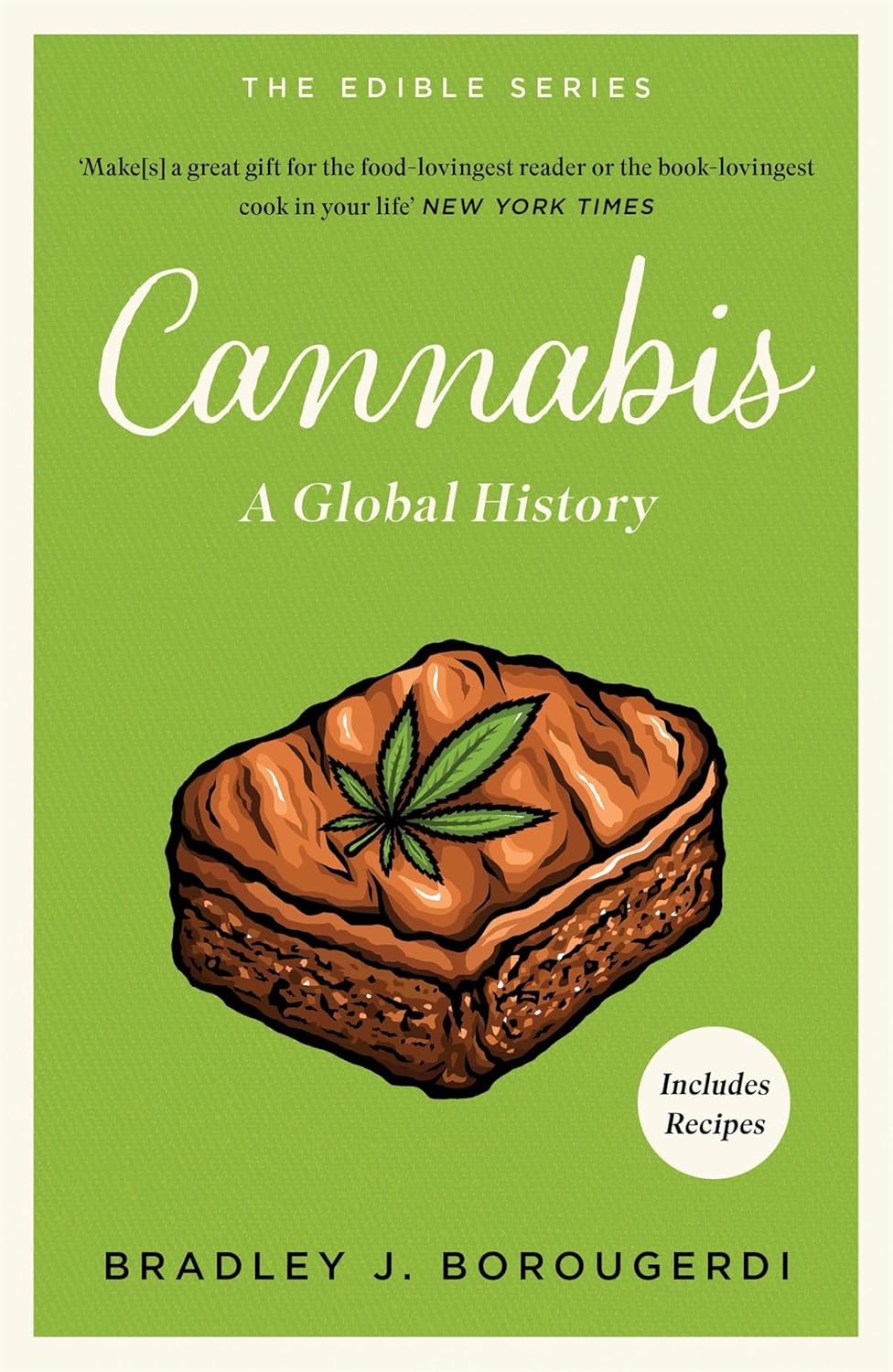
In Cannabis: A Global History, historian Bradley J. Borougerdi steps away from the noise to tell a far older and more revealing story. Rather than asking whether cannabis is good or bad, legal or illegal, he asks how humans have lived with this plant across time—and what that relationship reveals about culture, power and consumption.
A Plant That Went Everywhere Humans Did
Cannabis is, above all, adaptable. Able to grow in diverse climates and landscapes, it travelled easily alongside human migration and trade. Borougerdi traces its early use as a food source in Southeast Asia and follows its spread across the Islamic world, Africa, Europe and the Atlantic. Wherever it landed, the plant was absorbed into local life—sometimes as sustenance, sometimes as medicine, sometimes as ritual, and often as all three at once.
This global movement makes cannabis less an outlier than a mirror, reflecting the societies that adopted it. Its uses shifted according to cultural values, religious practices and economic needs, long before modern legal categories attempted to fix its meaning.
Rethinking Cannabis as Food, Not Just a Drug
One of the book’s most compelling interventions is its decision to frame cannabis as an ingestible rather than solely as a drug. As part of the Edibles series—short histories of individual comestible substances—Cannabis: A Global History foregrounds how the plant has been eaten, brewed and infused across cultures.
This perspective quietly unsettles modern assumptions. The sharp division between “food” and “drug,” Borougerdi shows, is not timeless or universal but a product of modern biomedical and legal thinking. Historically, cannabis occupied a more fluid space—consumed in everyday contexts, folded into cuisine, and understood as part of a broader continuum of nourishment and alteration.
Sacred, Social and Everyday Uses
Borougerdi’s narrative is rich with examples of how cannabis functioned in ordinary and extraordinary settings alike. In some traditions, it facilitated spiritual connection; in others, it soothed pain or hunger; elsewhere, it simply enhanced communal experiences. These uses were rarely isolated from one another. Cannabis was not exceptional—it was embedded.
The book resists romanticisation, however. Instead, it offers textured accounts drawn from obscure anecdotes, visual material and cultural histories that bring the plant’s social life into focus without mythologising it.
Prohibition, Power and Reinvention
The modern era marks a sharp turn in cannabis’s story. Borougerdi carefully unpacks how prohibition emerged—not as a natural response to danger, but as the outcome of political, racial and economic forces. The criminalisation of cannabis, the book suggests, tells us as much about states and systems of control as it does about the plant itself.
Equally compelling is the account of cannabis’s contemporary revival. Legalisation, artisanal edibles, infused beverages, wellness branding and cannabis tourism are framed not as novelties, but as reinventions of much older practices—now filtered through global markets and consumer culture.
A History That Refuses Easy Answers
Written for a general audience, the book balances scholarly insight with clarity and momentum. Borougerdi’s expertise in global and Atlantic history gives the narrative a strong sense of movement, showing how plants, people and ideas reshape one another as they cross borders.
What Cannabis: A Global History ultimately offers is not a verdict, but perspective. By restoring cannabis to its place within the long arc of human consumption, the book makes contemporary debates feel narrower—and occasionally shortsighted. It reminds us that before cannabis became controversial, it was simply part of life.
In telling that story, Borougerdi invites readers to reconsider not only a plant, but the cultural assumptions that shape what we choose to ingest, regulate and fear.


 Bookshotsapp
Leave a comment