
“That’s a head he’s carrying.”
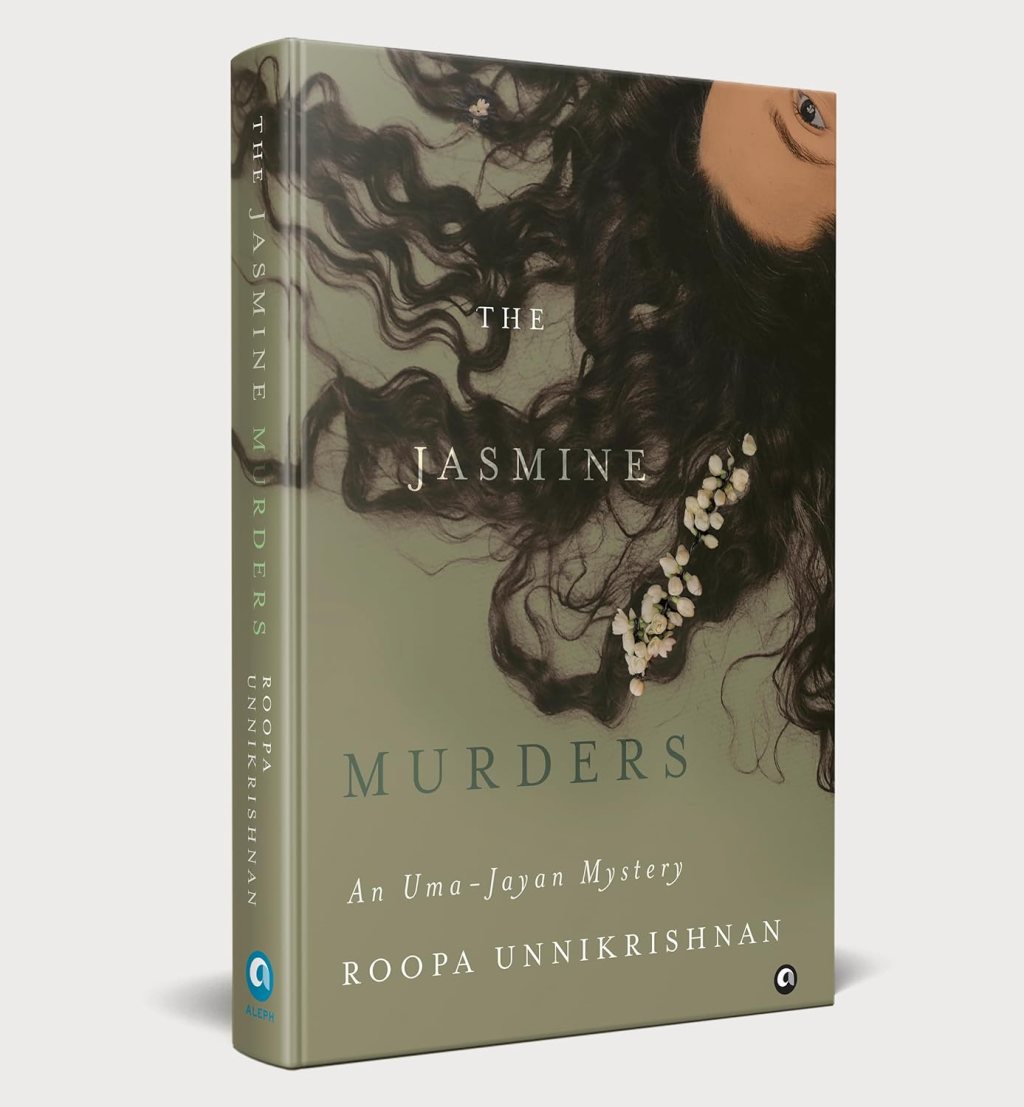
With that chilling line, The Jasmine Murders wastes no time easing the reader in. The stillness of Manamadurai shatters in an instant. What appears to be a quiet Tamil Nadu backwater in 1964 reveals itself as a town steeped in silence, secrets and simmering violence.
Uma arrives there newly married, following her husband Jayan, a Malayalam-speaking IPS officer posted as police chief. She hopes for calm, for routine, for the gentle rhythm of small-town life. Instead, unease greets her at every turn. The town’s slow exterior masks old communal tensions. Jayan’s predecessor, ASP Manu — remembered as “a brute and a reprobate” — met a gruesome end. The air feels heavy with unfinished stories.
Then comes the knock on the door.
A man stands outside carrying the severed head of a woman, jasmine flowers still fresh in her braid. The image is grotesque and intimate all at once — a symbol of beauty twisted into horror. From that moment, fear grips Manamadurai. What seems at first like a singular act of madness begins to unravel into something far more intricate.
The investigation reveals Vikraman, a poor farm labourer who has murdered his wife in a frenzy fuelled by jealousy, insecurity and emotional isolation. But this is no simple crime of passion. As Jayan moves through grieving families and wary communities, the story exposes the fragile emotional worlds hidden beneath everyday routines. Poverty, rigid beliefs and wounded pride converge into tragedy. The violence feels born from within the town itself — not an intrusion, but a consequence.
Yet even as this case unfolds, other disturbances surface. A theft at the zamindar’s house. Uneasy silences in wealthy homes. Secrets disguised behind bright saris and polite conversation. Threads that seem unrelated begin to tug at one another.
All of this plays out over a tightly measured span of twenty-four days — from December 1 to December 24, 1964. The clock ticks relentlessly. A cyclone brews in the background, mirroring the gathering storm within the town. Suspicion thickens. Trust erodes. Every conversation feels loaded. Every silence conceals possibility.
Amid this growing vortex, Uma begins to change. Initially a reluctant outsider navigating language barriers and cultural dissonance, she slowly becomes central to the mystery. Through gossip, intuition and quiet observation, she pieces together what others overlook. What begins as discomfort turns into resolve. When she joins forces with Jayan, a startling discovery cracks the case open.
Unnikrishnan’s prose is sharp and controlled, carrying the narrative briskly across its 229 pages without indulgence. Clues emerge obliquely — through stolen glances, half-confessions, and uncomfortable recollections. The town itself feels watchful, almost complicit, as though it guards its secrets carefully.
By the time the truth surfaces, The Jasmine Murders has transformed from a shocking crime story into a layered portrait of a community caught between tradition and change. It probes marriage, power, class and moral responsibility, asking how long silence can protect injustice before it breeds violence.
Twisted, atmospheric and ingeniously constructed, this debut delivers more than mystery. It delivers unease that lingers — like the scent of jasmine, sweet at first, then haunting.


 Bookshotsapp
Leave a comment