
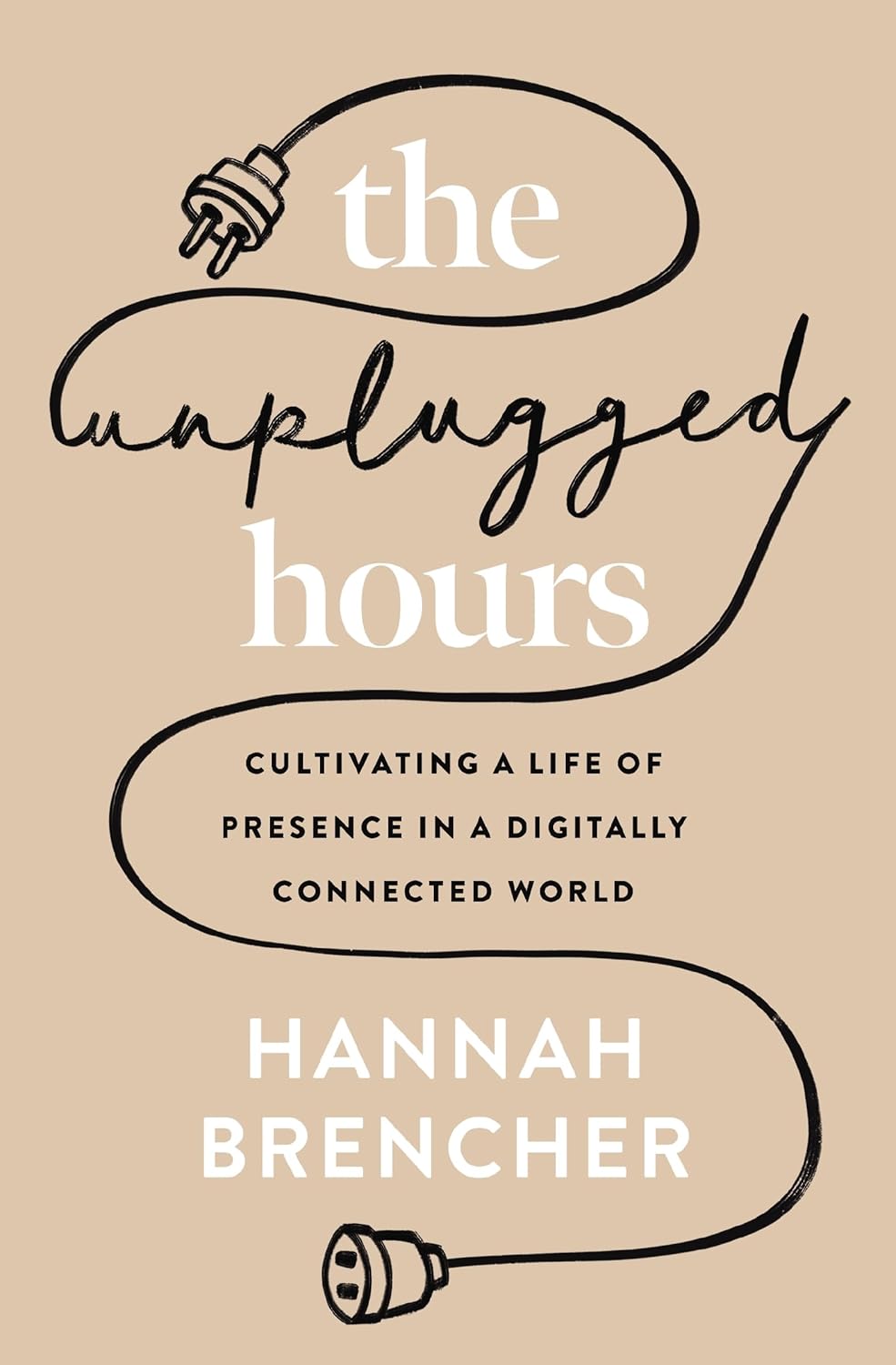
It is hard to imagine a day without reaching for our phones. From the moment we wake up to the last few minutes before sleep, screens quietly shape how we spend our time. In The Unplugged Hours, Hannah Brencher invites readers to step back and ask a simple but powerful question: what might life feel like if we loosened our grip on our devices, even for a little while?
The book grew out of Brencher’s personal experiment. Struggling with rising anxiety and the constant noise of the digital world, she challenged herself to spend 1,000 hours in a year away from digital devices. It wasn’t about rejecting technology or pretending the modern world doesn’t run on screens. Instead, it was her way of creating space — space to think, to breathe, and to reconnect with the world beyond notifications.
What makes the book engaging is that it doesn’t read like a strict manual for digital detox. Brencher shares her experience through a series of thoughtful reflections about everyday life. She explores how our dependence on phones is often tied to deeper emotions — loneliness, insecurity, or the uneasy feeling that we might be missing out on something happening elsewhere.
At the same time, she gently points toward what we rediscover when we step away from the screen. Real conversations become richer. Time slows down just enough to notice the details of ordinary life — a quiet walk, a moment of stillness, or the satisfaction of simply being present with someone. Brencher reminds readers that many of life’s most meaningful experiences happen in these unremarkable, screen-free moments.
One of the book’s strongest ideas revolves around connection. In a world where communication often happens through quick messages and social media posts, Brencher reflects on the deeper kind of connection that comes from slowing down and truly engaging with people. Her own work reflects this belief: she founded The World Needs More Love Letters, a global initiative that encourages people to write heartfelt letters to strangers who may need encouragement.
The book also touches on something many readers will recognize — the discomfort of being alone without distraction. Brencher suggests that our instinct to grab our phones whenever silence appears might be hiding something important. Learning to sit with those quiet moments, she argues, can help us rediscover creativity, reflection, and a stronger sense of self.
Written in a warm and honest voice, The Unplugged Hours feels less like advice and more like a personal conversation. Brencher doesn’t claim to have perfect solutions, and that honesty makes her reflections feel genuine. She simply shares what she learned by creating small pockets of life away from screens and encourages readers to try something similar in their own way.
In the end, the message of the book is simple but meaningful: technology does not have to dominate every moment of our lives. When we intentionally step away from it, even briefly, we often find ourselves reconnecting with things we didn’t realize we had been missing — quiet, presence, and the subtle beauty of everyday life.
The Unplugged Hours is a thoughtful reminder that sometimes the most meaningful moments begin when the screen goes dark
 Bookshotsapp
Leave a comment