
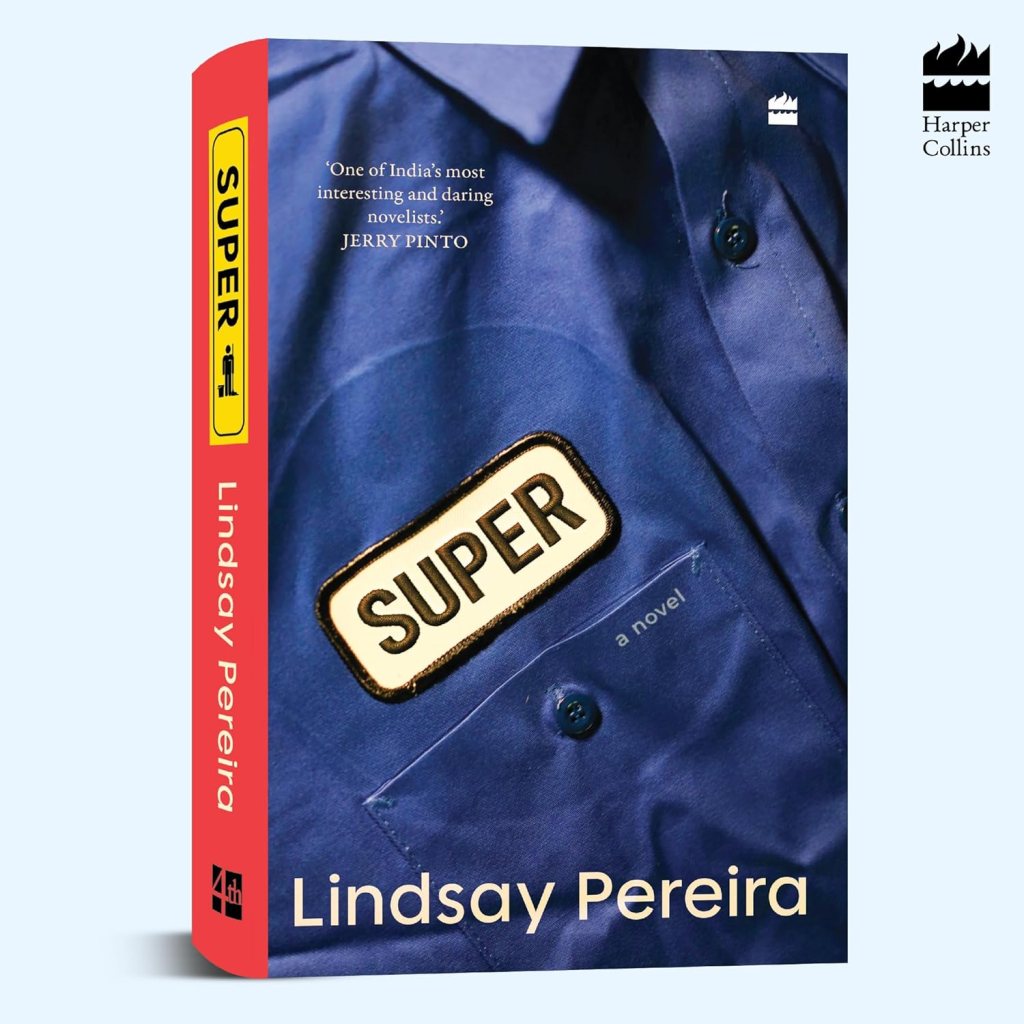
What happens when the “land of opportunity” doesn’t have a chair waiting for you at the table? In Lindsay Pereira’s Super, that question isn’t just a theme—it’s a slow-burn tragedy that starts with a quiet morning in Brampton and ends in a collision that no one sees coming.
The Dream vs. The Faucet
The novel opens with Sukhpreet Gill, a young man who traded the fierce sun of Punjab for the soft, pale light of a Canadian morning. Pereira does something brilliant here: she doesn’t start with a grand arrival or a dramatic airport scene. Instead, she shows us the “fraying edges” of the dream through the mundane.
Sukhpreet is living in a crowded Brampton condo, practicing breathing exercises his father taught him and whispering the Japji Sahib. There’s a visceral moment where he turns a faucet from cold to hot, and the steam instantly transports him back to his mother carrying clay pots of water in India. It’s these small, sharp stabs of memory that ground the book. He’s building a life, sure, but he’s doing it while carrying the weight of a mortgaged family farm and the ghost of the girl he left behind.
Two Worlds on a Collision Course
While Sukhpreet is trying to climb the ladder, Maynard Wilson is sliding off it. Maynard represents the “other” Canada—the one that’s out of breath and out of money. He’s unemployed, maxed out on credit, and staring down an eviction notice.
Pereira’s “ambitious” label is well-earned here. She sets these two men on a crash course, exploring how a nation failing its own citizens (Maynard) reacts to a newcomer (Sukhpreet) who was promised a prosperity that doesn’t actually exist.
Why You Should Read It
Super is more than just a “migrant story.” It’s a sensory, deeply empathetic look at the emotional geography of being caught between two places.
The Detail: You’ll feel the cold of the Brampton morning and smell the Punjab dust.
The Tension: The “restraint” in the opening pages makes the eventual “terrible consequences” feel all the more inevitable.
The Heart: It’s a gut-punch of a reminder that for every success story we hear, there are thousands of people just trying to keep their balance in a two-bedroom apartment they can’t quite afford.
If you want a book that looks past the headlines and gets into the marrow of what we sacrifice for a “better life,” Super is essential reading. Just don’t expect a neat, happy ending—Pereira is far too honest for that.
 Bookshotsapp
Leave a comment