
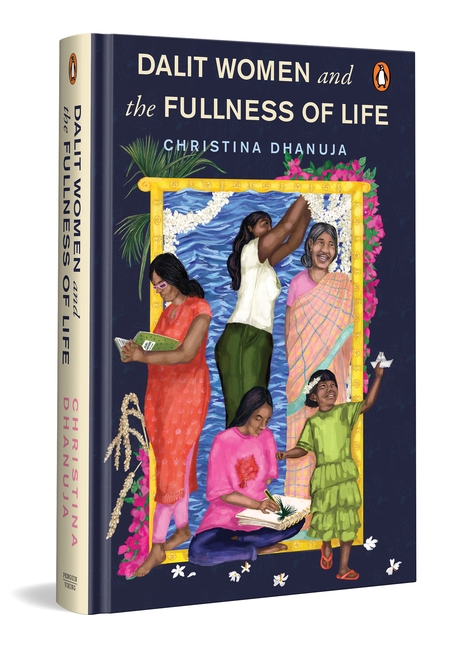
In recognition of Dalit History Month, Penguin Random House India has announced the release of Dalit Women and the Fullness of Life, a new work of non-fiction by Christina Dhanuja that seeks to broaden how Dalit women’s lives are represented in public discourse.
For decades, narratives around Dalit women have largely focused on structural oppression, violence, and resilience. While these frameworks remain important, they often overlook the complexities of everyday life—particularly interior experiences such as desire, intimacy, faith, and selfhood. Dhanuja’s book aims to address this gap by offering a more layered and expansive account.
Blending memoir with social inquiry, Dalit Women and the Fullness of Life is structured across ten thematic chapters, including Identity, Work, Sisterhood, Body, Desire, Faith, and Joy. Through these, the author documents lived experiences that move beyond survival, capturing emotional depth, contradictions, and the pursuit of meaning in everyday life.
Drawing from personal experience and broader social realities, Dhanuja explores caste not only as a structural system but as an internalised force that shapes self-perception, relationships, and decision-making. The book also brings attention to underrepresented contexts, particularly Dalit Christian identities, examining how caste, religion, and gender intersect in nuanced ways.
Written over several years across cities such as New York, Chennai, and Visakhapatnam, the work reflects both a personal and political journey. It situates memoir as a method of inquiry—using lived experience to understand larger systems of inequality and belonging.
At a time when conversations around caste and gender are gaining visibility in public and digital spaces, this book shifts focus to what often remains unspoken: how these realities are felt, internalised, and lived on a daily basis.
With its emphasis on interior life, emotional complexity, and overlooked dimensions of identity, Dalit Women and the Fullness of Life contributes a significant new perspective to contemporary discussions on caste, gender, and representation.
 Bookshotsapp
Leave a comment