
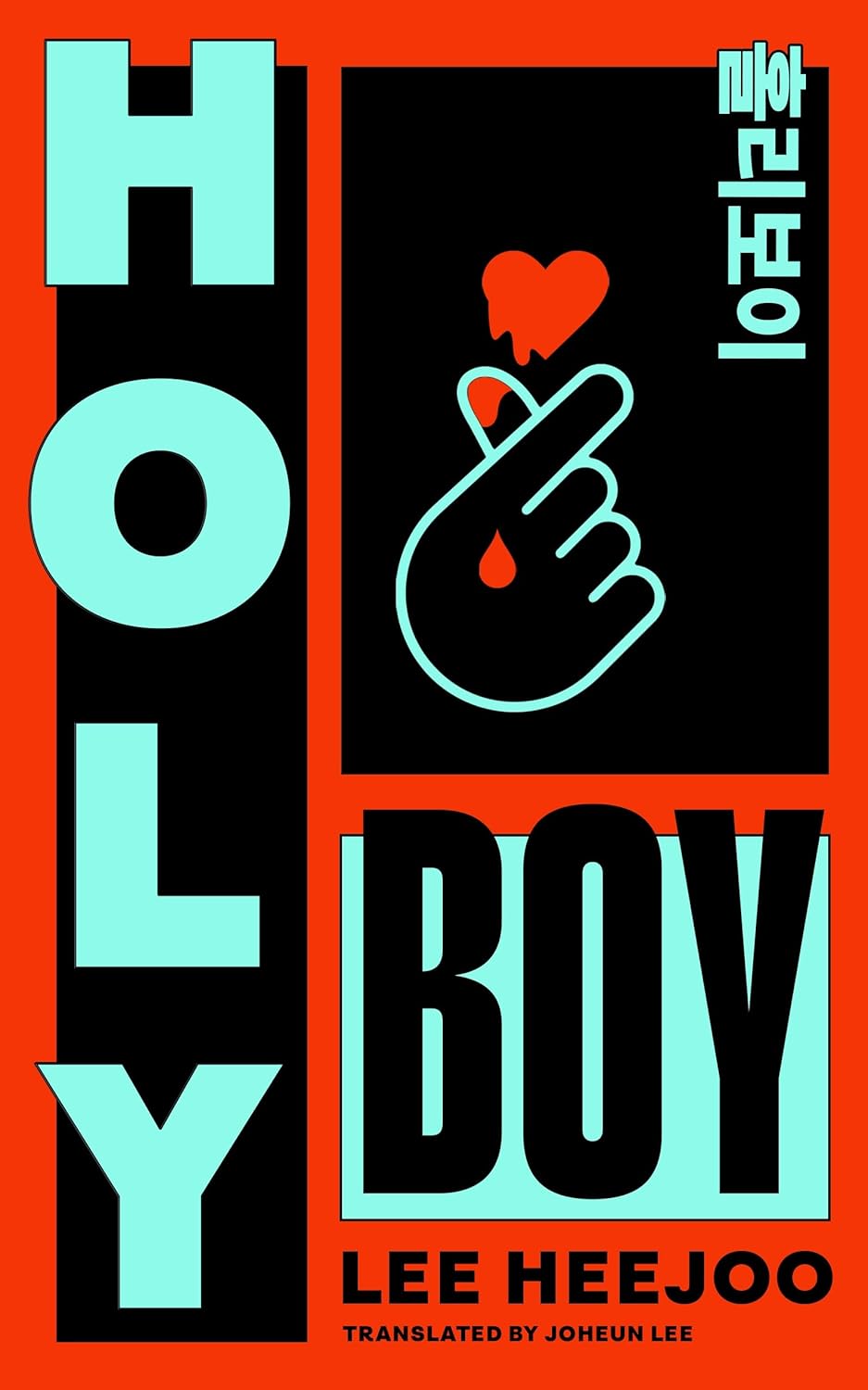
“A K-pop version of Stephen King” — that comparison alone sets the tone for Holy Boy, and in many ways, it delivers on that promise. Dark, unsettling, and deeply psychological, this novel explores what happens when admiration turns into obsession—and then spirals completely out of control.
At the centre of the story is Yosep, a K-pop idol adored by millions. But for four women, being fans isn’t enough. They devise a chilling plan to kidnap him and keep him hidden away in a secluded mansion, believing that their extreme act is the ultimate expression of love. What follows is not romance or devotion—but a disturbing descent into paranoia, control, and psychological breakdown.
The novel’s strongest aspect is its atmosphere. From the very beginning, there’s a sense that something is not quite right, and that tension slowly builds into something far more sinister. As the story unfolds, the lines between love, obsession, and madness blur, creating a deeply uncomfortable but gripping reading experience. The writing (smoothly translated by Joheun Lee) is immersive, with a creeping sense of dread that keeps you turning the pages.
However, while the premise suggests a deep dive into fandom culture—especially the intense and sometimes toxic sides of K-pop idol worship—the book doesn’t fully explore this as much as expected. Only two of the four women are actual fans, which makes the central idea feel slightly misleading. Instead of a layered exploration of fan culture, the narrative leans more heavily into psychological horror and personal obsession.
The characters themselves are complex but unevenly developed. Some, like the deeply disturbing Ahnna, leave a strong impression for all the wrong reasons. Others, particularly the younger fans, feel less fleshed out, making it harder to fully understand their motivations. One of the more emotional threads involves Yosep’s mother, whose tragic arc adds a layer of sadness and humanity to an otherwise disturbing story.
It’s also important to note that Holy Boy deals with very heavy and uncomfortable themes, including sexual violence and abuse. These elements are not glorified—in fact, they are meant to shock and disturb—but they can be difficult to read and may not be suitable for all readers.
Despite its flaws, the novel succeeds in creating a haunting and memorable experience. It captures the darker side of devotion—the way admiration can twist into entitlement and control. While it may not fully deliver on its promise as a commentary on idol culture, it stands out as an intense psychological thriller.
Holy Boy is not an easy read, but it is a compelling one. If you enjoy dark, unsettling fiction with a strong psychological edge, this book might be worth picking up. However, if you’re looking for a nuanced exploration of fandom or K-pop culture, it may leave you wanting more.

 Bookshotsapp
Leave a comment