
From coastal kitchens to sacred rituals, a quiet powerhouse reveals its many lives
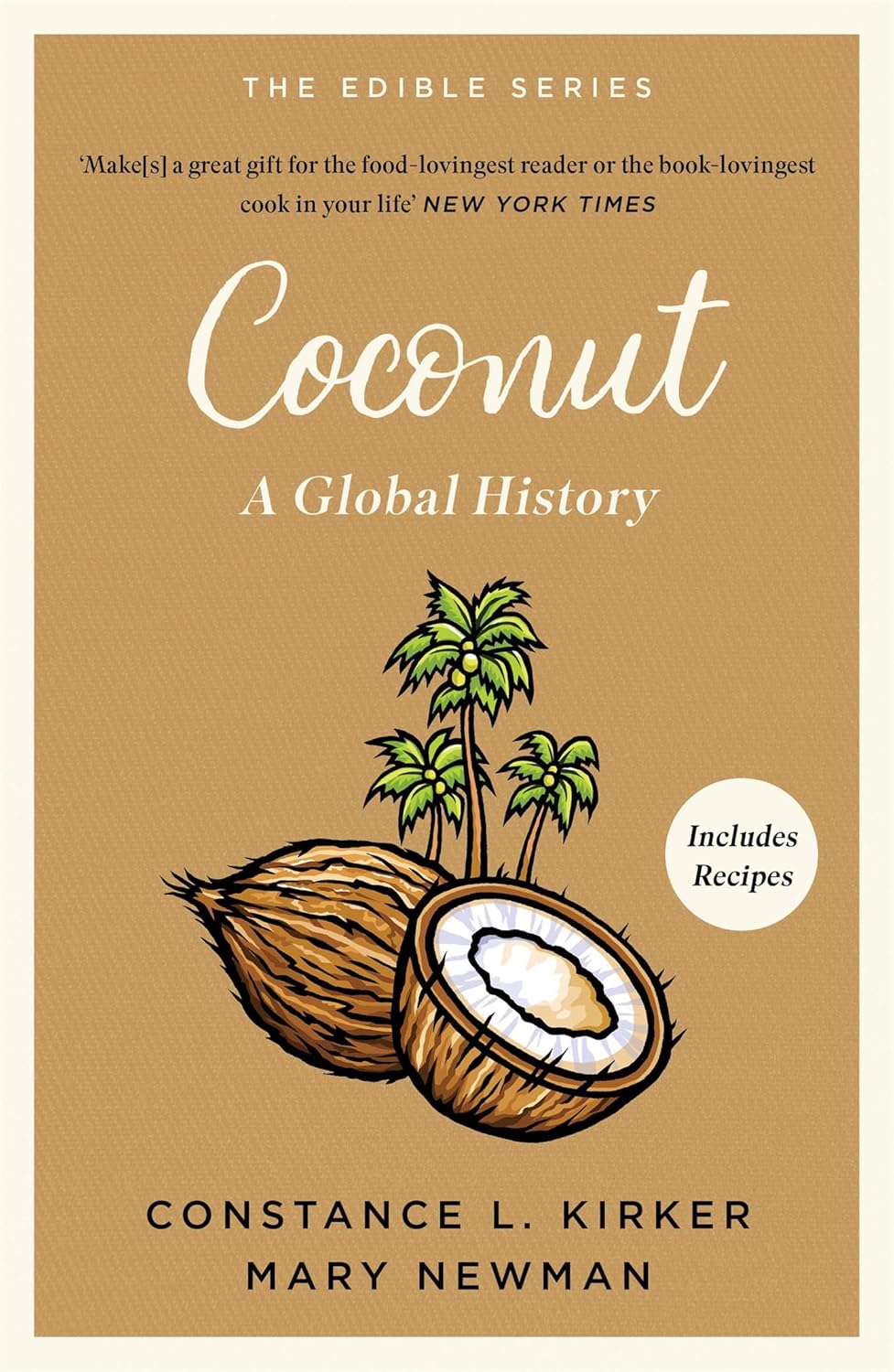
Coconut: A Global History turns an everyday fruit into a sweeping narrative that stretches across oceans, cultures and centuries. Constance L. Kirker and Mary Newman take something as familiar as the coconut and uncover a world within it—one that goes far beyond its place in food. Yes, its culinary presence is unmistakable, from rich curries to refreshing piña coladas, but the book makes it clear that the coconut’s true significance lies in its astonishing versatility.
What gives the book its depth is the way it traces the coconut’s journey from its origins in the central Indo-Pacific region to the rest of the world. Carried by migrating communities and later by Arab and European traders, the coconut becomes a witness to movement, exchange and adaptation. Along the way, it embeds itself into cultures—appearing in Hindu rituals, Sri Lankan weddings and Polynesian kava ceremonies—quietly shaping traditions and everyday life.
Kirker and Newman also bring attention to the coconut’s uses beyond the kitchen. Oil, sugar, milk, fibre—the list is long, and the ingenuity of communities who have relied on it for centuries comes through vividly. This is where the book feels especially grounded, reminding readers that what might seem exotic or novel today has long been essential elsewhere.
At the same time, there is a contemporary thread running through the narrative. The coconut’s recent rebranding as a global ‘superfood’ is explored with a critical eye, particularly in how it affects the very populations that have cultivated and depended on it for generations.
Enriched with historical anecdotes, photographs and recipes, the book strikes a balance between being informative and inviting. It doesn’t just tell you about the coconut—it encourages you to see it differently. What emerges is not just the story of a fruit, but a reflection of how something so ordinary can carry extraordinary histories within it.


 Bookshotsapp
Leave a comment