
Raziuddin Aquil brings a 13th-century mystic into the moral conversations of our present
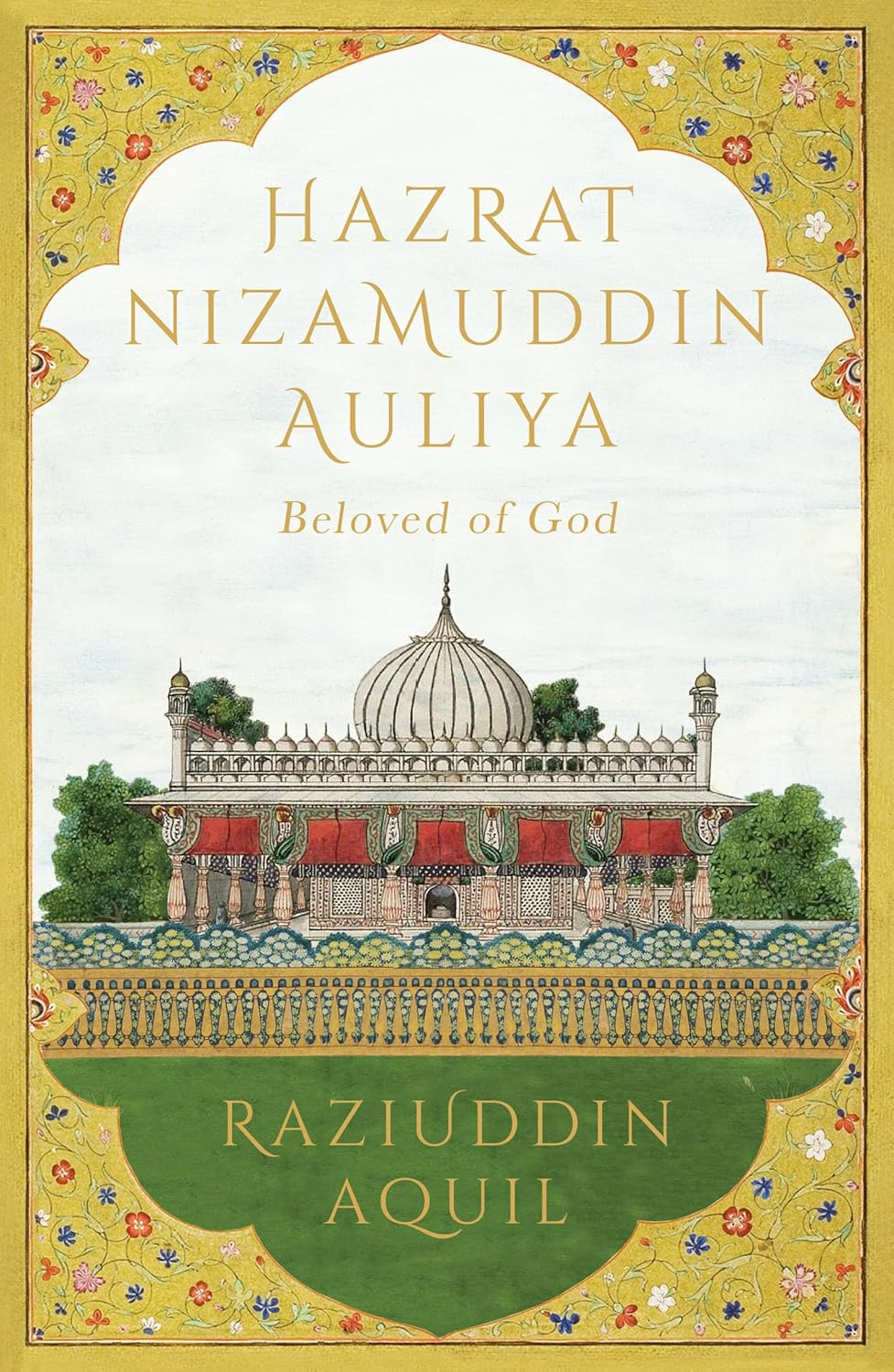
There is something quietly enduring about the memory of Hazrat Nizamuddin Auliya. It doesn’t arrive with spectacle; it lingers—in a qawwali carried by the evening air, in the steady rhythm of footsteps at his dargah, in the simple but demanding idea that love, more than ritual, is the truest path to the divine. In this deeply textured work, historian Raziuddin Aquil does more than recount a saint’s life—he reconstructs a world shaped by faith, humility and an unwavering commitment to humanity.
A Life Rooted in Compassion
Born in Badaun and later settled in Delhi, Nizamuddin Auliya emerges here not as an unreachable spiritual figure but as a deeply human presence. Aquil traces his journey within the Chishti tradition, highlighting a life built on service rather than authority. His jama’atkhaana becomes a space where divisions blur—welcoming people across faiths, classes and backgrounds. The emphasis is clear and consistent: the path to God lies through kindness to others.
Stories that Carry a Philosophy
What gives the book its emotional weight is Aquil’s reliance on lived moments rather than abstract exposition. Drawing from early malfuzat and hagiographies, he presents episodes that feel immediate and intimate—a hungry visitor fed without hesitation, a grieving stranger offered solace, a ruler met with quiet moral firmness. These are not ornamental anecdotes; they reveal how Sufi ethics operated in everyday life. Through them, the reader sees a philosophy not argued, but practiced.
Music, Devotion and Gentle Defiance
A particularly engaging thread is the exploration of sama, or musical assemblies. At a time when such practices often faced orthodox scrutiny, Nizamuddin’s embrace of music as devotion appears both spiritual and quietly radical. Aquil situates this within the tensions of the period, showing how faith could also be an act of cultural negotiation. Poetry and song are not embellishments here—they are central to experiencing the divine.
The Power of Renunciation
Equally striking is the treatment of faqiri, the chosen path of poverty. In a world shaped by political ambition and imperial expansion, Nizamuddin’s refusal to align with power stands out. Aquil portrays this not as passive withdrawal but as a conscious ethical stance—one that resists material excess and asserts spiritual independence. The restraint in the writing mirrors the subject itself, making these choices feel grounded rather than glorified.
A City, A Time, A Living Tradition
Delhi in the thirteenth and fourteenth centuries is not just a backdrop but an active force in the narrative—restless, layered and full of competing ideas. By placing Nizamuddin within this dynamic setting, Aquil shows that Sufism was not isolated mysticism but part of a broader moral and intellectual current. The book gains depth here, reminding us that spirituality, in this tradition, was inseparable from the social fabric.
Echoes from Days in the Life of a Sufi
Readers familiar with Aquil’s earlier work, Days in the Life of a Sufi, will recognize his affinity for storytelling. The 101 tales in that collection echo the same ethos—love as practice, humility as strength, and the search for the divine within everyday life. If that book offered glimpses, this one provides a fuller, more immersive portrait.
Why This Book Matters Now
What lingers after the final page is not just the life of a saint, but a question for the present. In a time marked by sharper boundaries and louder certainties, Nizamuddin Auliya’s message feels both distant and urgently relevant. Aquil does not press this point; he lets the life speak for itself.
This is a book that persuades quietly. It moves through stories, gestures and silences, allowing the reader to absorb its meaning rather than be instructed. In doing so, it achieves something rare—it doesn’t just tell the story of a saint; it invites you to walk beside him, if only for a while.


 Bookshotsapp
Leave a comment