As artificial intelligence increasingly becomes a go-to source for instant answers, a new challenge is emerging across classrooms, workplaces and homes: are people losing the ability to think through problems independently?
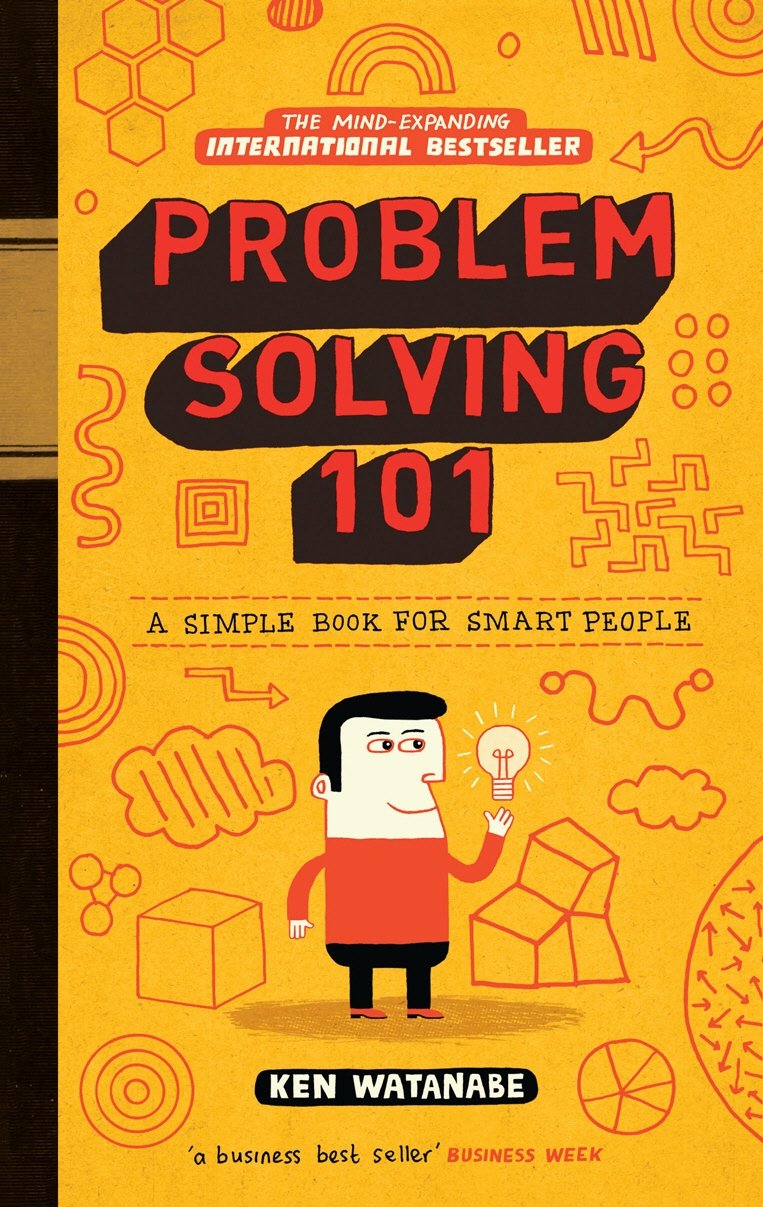
This question has renewed interest in Problem Solving 101 by Ken Watanabe, an international bestseller that focuses on developing critical thinking and structured problem-solving skills at a time when AI is reshaping how information is accessed and used.
Written by former McKinsey consultant and educator Ken Watanabe, the book was originally developed for Japanese schoolchildren after he observed that education systems often taught students what to think rather than how to think. He subsequently created a simple framework to help learners analyse situations, break down complex problems and arrive at solutions independently.
First published long before AI entered everyday life, Problem Solving 101 introduces practical tools such as logic trees, hypothesis-driven thinking and systematic decision-making. Through illustrations, real-world examples and step-by-step exercises, the book encourages readers to identify root causes, organise information and evaluate alternatives before making decisions.
Its central message has gained fresh relevance in the AI era: before finding the right answer, people must first learn how to identify the right problem.
As employers increasingly prioritise analytical thinking and educators debate AI’s impact on learning, the book offers a framework for strengthening skills that technology cannot easily replace, including curiosity, judgement and critical thinking.
Experts continue to emphasise that while AI can provide answers, human abilities such as framing problems, exercising judgement and adapting to new situations will remain essential in education, leadership and the future of work.
Ken Watanabe, a Yale University and Harvard Business School graduate, is a former McKinsey consultant and founder and CEO of Delta Studio, an education, entertainment and media company. His book has become a widely used resource for students, educators, professionals and lifelong learners seeking practical approaches to problem-solving in an increasingly AI-driven world.
