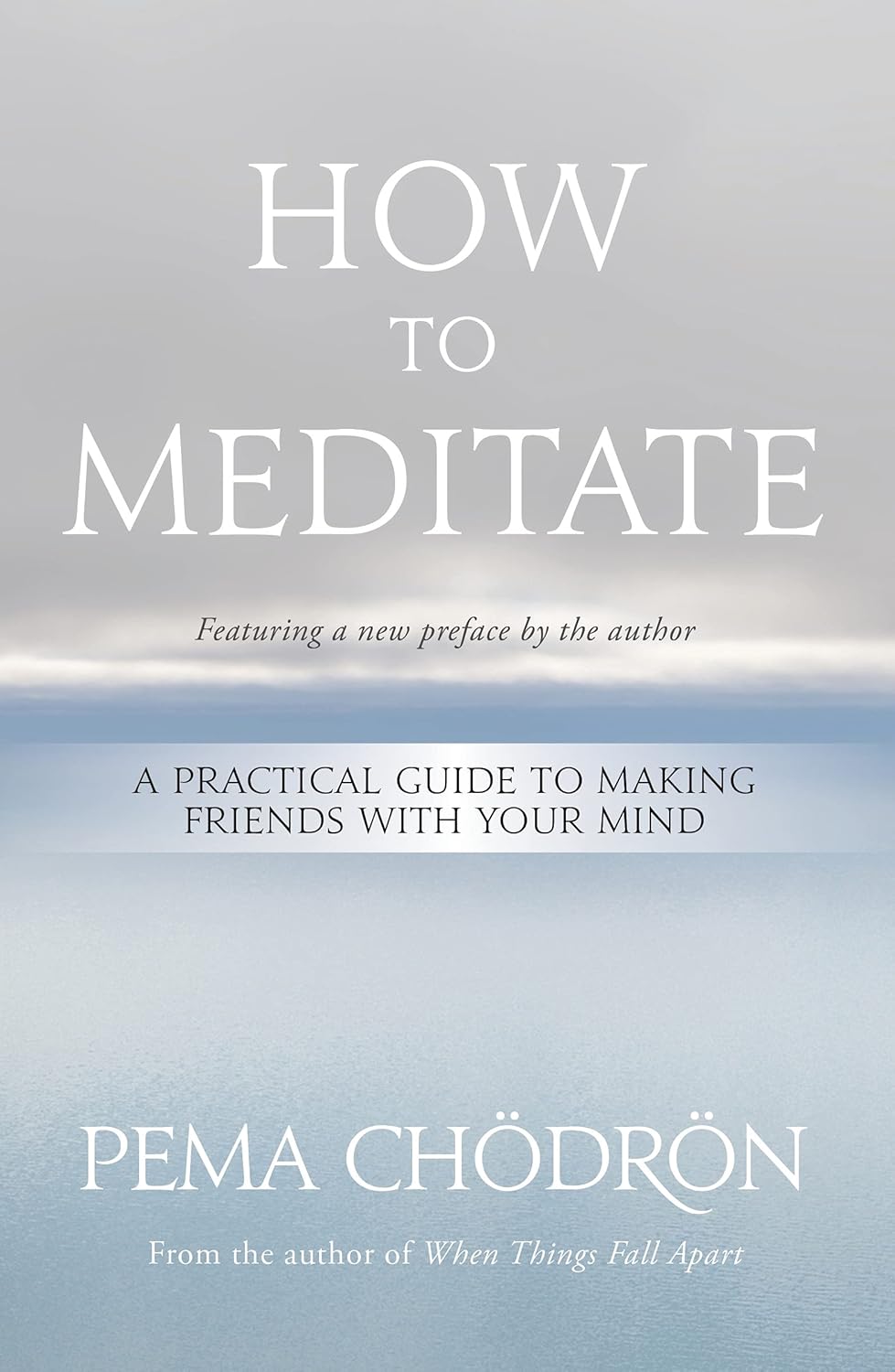
As mindfulness and meditation continue to gain global attention, How to Meditate by renowned Tibetan Buddhist nun Pema Chödrön stands out for its simplicity, clarity and deeply compassionate approach. Rather than presenting meditation as a technique to escape life’s challenges, the book encourages readers to engage with their thoughts, emotions and experiences with openness and kindness.
Known for making Buddhist teachings accessible to contemporary audiences, Pema Chödrön uses this guide to introduce the foundations of a lifelong meditation practice. The book is designed for both beginners seeking a place to start and experienced practitioners looking to deepen their understanding of mindfulness.
At its core, How to Meditate argues that meditation is not about achieving a perfectly calm mind but about learning to relate differently to whatever arises within it. Chödrön explains that the practice creates space for greater authenticity, emotional resilience and a deeper sense of connection with oneself and others.
The book carefully walks readers through the practical aspects of meditation, from establishing a comfortable posture and working with the breath to cultivating what the author describes as an attitude of “unconditional friendliness” towards oneself. These foundational practices are presented in a clear, approachable manner, making meditation feel accessible rather than intimidating.
A particularly compelling aspect of the book is its treatment of difficult emotions. Instead of encouraging readers to suppress distraction, fear or anxiety, Chödrön reframes these experiences as valuable opportunities for self-awareness and personal growth. Through the Buddhist principle of Shamatha, or calm abiding, she demonstrates how remaining present with one’s thoughts can gradually foster greater stability, compassion and inner freedom.
The concept of the “Seven Delights” further reinforces this perspective, suggesting that moments of discomfort and uncertainty can become gateways to wisdom rather than obstacles to overcome. Throughout the book, Chödrön consistently challenges the common misconception that meditation requires eliminating thoughts altogether. Instead, she invites readers to observe them with curiosity and acceptance, transforming everyday mental activity into an opportunity for greater understanding.
What makes How to Meditate particularly effective is its emphasis on practice over theory. While grounded in Buddhist philosophy, the book avoids unnecessary complexity, focusing instead on practical guidance that readers can incorporate into daily life. Chödrön’s calm, reassuring voice makes the teachings feel personal, offering encouragement rather than instruction.
Ultimately, How to Meditate is less about mastering a spiritual discipline and more about developing a kinder relationship with oneself. As Pema Chödrön reminds readers, the purpose of meditation is not perfection but becoming “completely loving people”—a message that resonates in an increasingly fast-paced and distracted world.
For anyone looking to begin a meditation practice or rediscover its deeper purpose, How to Meditate serves as an accessible and thoughtful companion, offering practical wisdom for cultivating presence, compassion and lasting inner peace.
