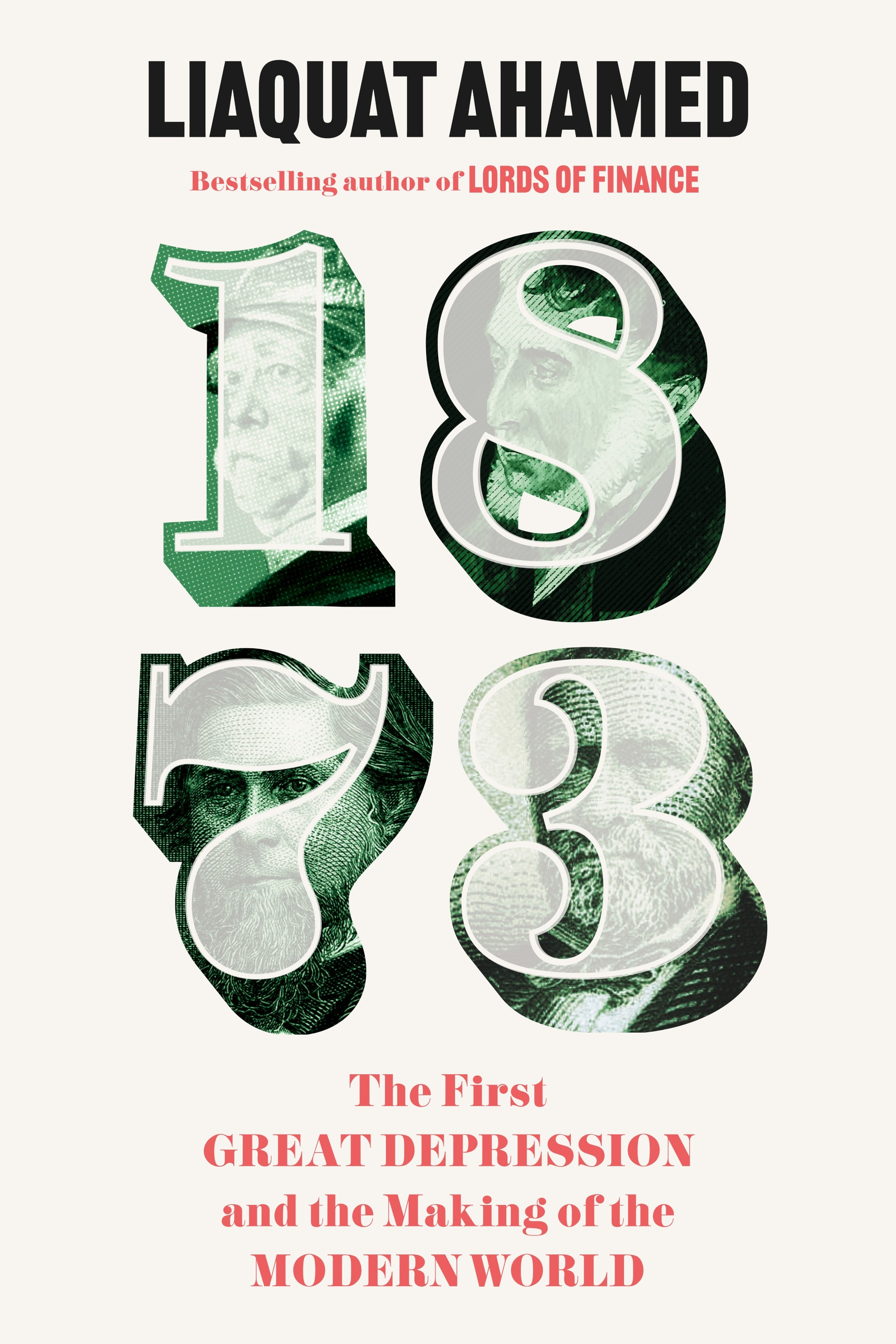
Penguin India has announced the publication of 1873, the latest book by Pulitzer Prize-winning historian and economist Liaquat Ahamed. The book examines the world’s first truly global financial crisis, tracing how the panic of 1873 reshaped international trade, politics, and the modern global economy.
Beginning with the collapse of the Vienna Stock Exchange on May 9, 1873, the book follows the financial panic as it spread rapidly across Europe and the United States, exposing the vulnerabilities of an increasingly interconnected world. Ahamed argues that the crisis marked a turning point whose political, economic, and social consequences continue to resonate more than 150 years later.
Drawing on extensive historical research, 1873 explores the investment boom that preceded the crash and the subsequent collapse through the stories of influential figures, including the Rothschild banking family, financier Jay Gould, author Mark Twain, and philosopher Karl Marx. The book examines how speculation, rapid industrial expansion, and the flow of easy capital created the conditions for one of history’s most consequential financial crises.
Beyond financial markets, Ahamed analyses how policy decisions made in the aftermath of the crash contributed to prolonged deflation, weakened support for free trade, influenced Reconstruction-era politics in the United States, expanded European influence over the Ottoman Empire, and fuelled populist and antisemitic movements across Europe.
The book arrives at a time when the global economy continues to face inflationary pressures, rising debt, trade tensions, and uncertainty. By connecting historical events with contemporary challenges, Ahamed highlights the enduring relationship between economics, politics, and globalization.
Liaquat Ahamed previously won the Pulitzer Prize for History for Lords of Finance: The Bankers Who Broke the World, which examined the decisions that led to the Great Depression. Before becoming a full-time author, he studied economics at Cambridge and Harvard, worked at the World Bank, and spent 25 years as an investment manager in London and New York.
Published by Penguin India, 1873 presents a deeply researched account of how a financial panic transformed the global order, offering readers historical perspective on many of the economic debates shaping the world today.
