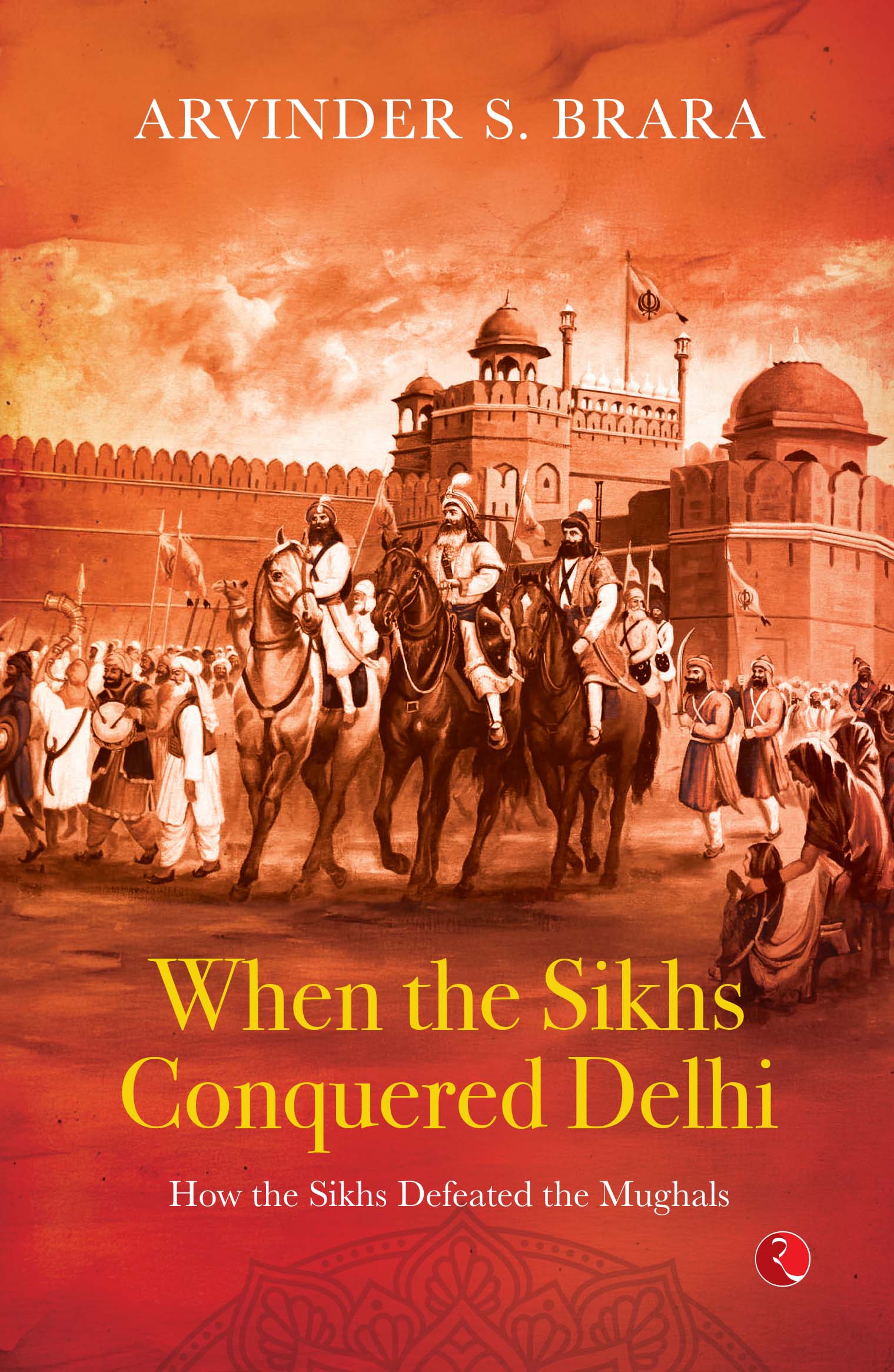
The story of Sikhism is inseparable from its legacy of courage, resilience and service. In When the Sikhs Conquered Delhi: How the Sikhs Defeated the Mughals, Arvinder Singh Brara uses a pivotal historical moment as a lens through which to examine the broader evolution of the Sikh faith and community. The result is an accessible and engaging account that goes beyond military triumphs to explore the values that shaped Sikh history.
Beginning with the teachings of Guru Nanak in fifteenth-century Punjab, the book traces the development of Sikhism through centuries of social, political and religious transformation. While the title draws attention to the dramatic confrontation between Sikh forces and Mughal authority, Brara’s narrative extends far beyond a single event, placing it within the larger context of Sikh history and identity.
A particular strength of the book lies in its emphasis on the ethical foundations of Sikhism. Principles such as equality, honest labour, collective responsibility and resistance to oppression are shown to be central to the community’s evolution. These ideals not only shaped Sikh institutions and social practices but also informed the community’s response to persecution and political challenges.
The author examines key chapters in Sikh history, including periods of hardship and resilience, the rise of Sikh political power, colonial rule, Partition and the emergence of a global Sikh diaspora. By connecting these historical developments to enduring Sikh values, Brara presents Sikhism as a living tradition guided by moral conviction rather than rigid doctrine.
Written in a clear and measured style, the book is particularly effective as an introduction for readers unfamiliar with Sikh history. Drawing on historical sources, scripture and scholarly research, Brara offers a balanced narrative that remains engaging without sacrificing depth.
The title’s focus on the Sikh challenge to Mughal authority serves as a compelling entry point into a much broader exploration of faith, leadership and community. Readers interested in the decline of Mughal power will find valuable insights, while those seeking a deeper understanding of Sikhism will appreciate the wider historical and philosophical perspective.
When the Sikhs Conquered Delhi: How the Sikhs Defeated the Mughals is more than a recounting of a historic victory. It is a thoughtful examination of the ideas, struggles and principles that shaped the Sikh community across centuries. Informative, accessible and rooted in historical context, it offers readers a meaningful introduction to one of the most influential traditions in South Asian history.
Recommended for: Readers interested in Sikh history, Mughal India, religious studies, military history and the enduring legacy of faith-driven leadership and resistance.
